
Food trailer buyer guide · Official-source review September 16, 2026
A used food trailer can shorten the schedule when its condition, layout and records fit the new operation. It can also carry worn systems, undocumented changes and somebody else's workflow. A new trailer gives the buyer more control over the scope, provided the proposal names the equipment, documents, inspections and warranty. Compare both units against the same menu and the same handoff checklist.
This guide does not estimate a market price or promise that either choice will pass an inspection. Condition, title requirements and food-service approvals depend on the actual unit and jurisdiction.
01Start with the business you plan to run
Write down the menu, service style, busiest-hour target, staff count, operating area and delivery stage you want. Those facts become the test for every listing and new-build proposal.
A trailer that served bottled drinks may have the wrong water, power and counter arrangement for espresso. A former barbecue unit may contain openings and equipment that add no value to a bakery. Good condition cannot repair a mismatch between the old workflow and the new menu.
Complete the Food Trailer Project Brief before comparing trailers. Give the same brief to the seller, new manufacturer and any independent builder asked to price the work.
02Put the new and used choices in one file
Create a row for every fact that needs proof. Leave unknown fields blank; an empty cell is easier to price than a hidden assumption.
| Review item | New trailer | Used trailer | Evidence to collect |
|---|---|---|---|
| Delivery stage | Contracted shell, rolling shell or completed unit | Current physical condition | Proposal, photos and inspection notes |
| Layout | Approved drawing for the planned menu | Existing work line, openings and clearances | Measured plan and equipment locations |
| Modification history | Revisions and change orders during the build | Work completed since original manufacture | Invoices, drawings, labels and seller disclosure |
| Vehicle identity | VIN and manufacturer records assigned to the unit | VIN on the title, certification label and any other permanent VIN marking | Clear photographs and title records |
| Weight information | Stated GVWR and GAWR plus promised weight records | Existing ratings and current as-equipped weight | Labels, tire information and a scale record when available |
| Food-service systems | Exact contracted scope | Installed condition and fit for the new menu | Equipment list, cut sheets and qualified inspection |
| Remaining work | Written exclusions and buyer obligations | Repair, removal and new installation scope | Builder estimate with allowances identified |
| Warranty | Named issuer, covered work and claim path | Remaining transferable coverage, if any | Written warranty and transfer terms |
This comparison keeps a clean-looking used trailer from competing against a fully specified new build on appearance alone. It also keeps a broad new-build promise from outranking a used unit with strong records and a workable layout.
03Inspect condition as a system
Listing photos are useful for screening. A purchase decision calls for a physical inspection by people qualified to evaluate the work that will remain.
Begin with the trailer: frame and visible structure, coupler, safety chains, jack, running gear, tires, wheels, lights, brakes and breakaway equipment. Record accessible axle labels and serial numbers. Look for corrosion, impact damage, uneven wear, water entry and repairs that do not match the surrounding construction.
Then inspect the commercial build. Operate doors, windows, latches and service openings. Check floors, walls, ceilings, counters and fixed supports. Have the responsible trades evaluate electrical distribution, plumbing, fuel gas, ventilation, fire suppression, refrigeration and any appliance that will remain. A light turning on proves only that the light worked during that test.
Use the Food Trailer Pre-Pickup Inspection as the physical walk sheet, then add specialist inspections for the systems present.
04Reconstruct the modification history
The original specification is only the first chapter of a used trailer. Ask who changed the unit, when the work was completed and whether the drawings or records were updated.
Match installed equipment against the electrical panel schedule and available load information. Trace capped plumbing lines and unused penetrations. Identify appliances removed without an updated weight record. Ask whether any service opening, roof penetration, axle, brake component or fixed-equipment support changed after the original build.
Missing history does not prove defective work. It creates an unknown that belongs in the inspection scope and rework allowance. A builder can price visible work separately from concealed conditions that cannot be confirmed before disassembly.
05Match the VIN, title and certification label
NHTSA advises trailer buyers to look for the federal certification label and check the manufacturer in its Vehicle Product Information Catalog. Under 49 CFR 567.4, a trailer label is placed on the forward half of the left side. It identifies the manufacturer and includes the VIN, GVWR, GAWR, vehicle type and required certification statement.
Photograph the full label without editing the image. Compare its VIN character by character with the title and any other permanent VIN marking on the trailer. 49 CFR Part 565 permits the VIN to appear directly on a qualifying vehicle part or on a permanently affixed plate or label, so a separate frame-stamped VIN is not universal.
Use the NHTSA vPIC portal to review manufacturer-reported data and decode available VIN information. vPIC is a cross-check. It does not approve the current food-service build, establish ownership or replace a state title review.
For a new vehicle, an MCO or MSO may support the initial state title transaction. NHTSA explains that these are state title documents rather than federal certificates. A used purchase ordinarily relies on the existing title and the transfer documents required by the state.
Florida requires VIN verification for certain used vehicles that are not already titled in Florida, including trailers weighing 2,000 pounds or more. Check the current FLHSMV procedure and application for the exact unit, and ask the processing tax collector or FLHSMV what must be submitted before paying a nonrefundable deposit.
Pause the transaction when the VIN is missing, altered, inconsistent across records or tied to a description that does not match the trailer. The titled owner, manufacturer and appropriate state authority should resolve the discrepancy.
06Keep vehicle records separate from food approval
A sound frame and matching title do not approve a mobile food operation. Food regulators review the proposed menu, equipment and sanitation systems. Fire, building, zoning, event and site authorities may have separate roles.
The existing hood or sink package may have worked for another operator. Your reviewing authority can ask for different records or changes based on the new menu, fuel, equipment and location. Send the measured layout and equipment list to the proper agency before assigning value to installed components.
Florida buyers can begin with the current DBPR Mobile Food Dispensing Vehicle Guide. It says a remodeled vehicle requires plan review, while a vehicle already licensed by the division may avoid plan review only when no changes are made. New licensees still need the required application and opening inspection. Use the food trailer permits checklist to organize the jurisdiction calls.
07Price rework without a made-up savings formula
Request written estimates for work that can be seen and measured. Keep concealed conditions as named allowances or exclusions. The estimate may need separate lines for removal, repair, replacement equipment, utility changes, drawings, inspection support, transport and downtime.
Run the same exercise on a new proposal. Record work outside the quoted scope, including buyer-supplied equipment, graphics, delivery, permits, taxes and site connections when applicable. The quote comparison worksheet gives both suppliers the same rows.
There is no responsible universal percentage for used-trailer savings. A unit that fits the menu may need little work. Another may require demolition before a builder can see what was purchased.
08Read the warranty before assigning value to it
Ask for the issuing company, covered components or workmanship, coverage period, start date, exclusions, transfer rules, service location and claim procedure. Confirm whether coverage follows the unit after resale. Keep component-manufacturer coverage separate from the seller's or builder's warranty.
A new unit can have separate warranty boundaries across the shell, rolling-shell assembly, final build and installed equipment. A used unit may have transferable coverage, expired coverage or an as-is sale. The signed documents control. A badge on a website and a verbal statement do not fill an empty warranty file.
09Give the builder a measured handoff
Before requesting a renovation quote, send the builder:
- the intended menu and busiest-hour target;
- exterior and interior measurements;
- title and VIN-label photographs with personal information removed where appropriate;
- the current equipment list and available cut sheets;
- electrical, plumbing, fuel-gas and ventilation records that came with the unit;
- known inspection, repair and modification records;
- photographs of concealed-access points the seller permits you to inspect;
- the intended state, county, city and type of operating site;
Ask the builder to identify accepted existing work, items needing further inspection, removal scope and information still missing. Put those findings into the Food Trailer Scope of Work.
FAQQuestions buyers ask
Is a used food trailer cheaper than a new one?
The listing price covers only the purchase line. Compare transport, inspection, repairs, removal, equipment, utility changes, drawings, authority work and downtime before deciding.
Can I rely on the seller's previous health or fire inspection?
Treat it as part of the unit's history. Ask the agency responsible for your planned operation whether it recognizes the record and what must be reviewed under the new ownership, menu, equipment and location.
What if the certification label is damaged or missing?
Do not create a replacement label or move a label from another trailer. Photograph what remains and contact the original manufacturer and state title authority before purchase. NHTSA states that VIN errors can be corrected only by the vehicle manufacturer.
Does a new trailer remove permit risk?
No supplier can promise every operating approval across jurisdictions. A documented new build can coordinate the agreed menu and agency inputs earlier, while the reviewing authorities retain their decision-making role.
Can MOBITRUCK compare a used unit with a new shell path?
Yes, as a scope comparison. Send the candidate layout, photographs and records with the project brief. MOBITRUCK can identify shell and design questions. Concession Nation or another qualified builder defines its own inspection, completion and warranty scope in writing.
Sources checked
Federal and Florida references
- NHTSA — Check Trailers for Federal Safety RegulationsChecked September 16, 2026 for buyer guidance on certification labels and manufacturer records.
- NHTSA — Importation and Certification FAQsChecked September 16, 2026 for manufacturer, VIN, certification-label and state title boundaries.
- Electronic Code of Federal Regulations — 49 CFR Part 565Checked September 16, 2026 for VIN assignment, format and permanent placement.
- Electronic Code of Federal Regulations — 49 CFR Part 567Checked September 16, 2026 for trailer certification-label location and required fields.
- NHTSA — Vehicle Product Information CatalogChecked September 16, 2026 for manufacturer-reported data and VIN-decoding scope.
- FLHSMV — Procedure TL-10, Original Certificate of Title and Form HSMV 82040Current links checked September 16, 2026 for Florida VIN-verification instructions, including certain used trailers weighing 2,000 pounds or more and not titled in Florida.
- Florida DBPR — Mobile Food Dispensing Vehicle GuideChecked September 16, 2026 for plan-review, application and opening-inspection guidance.
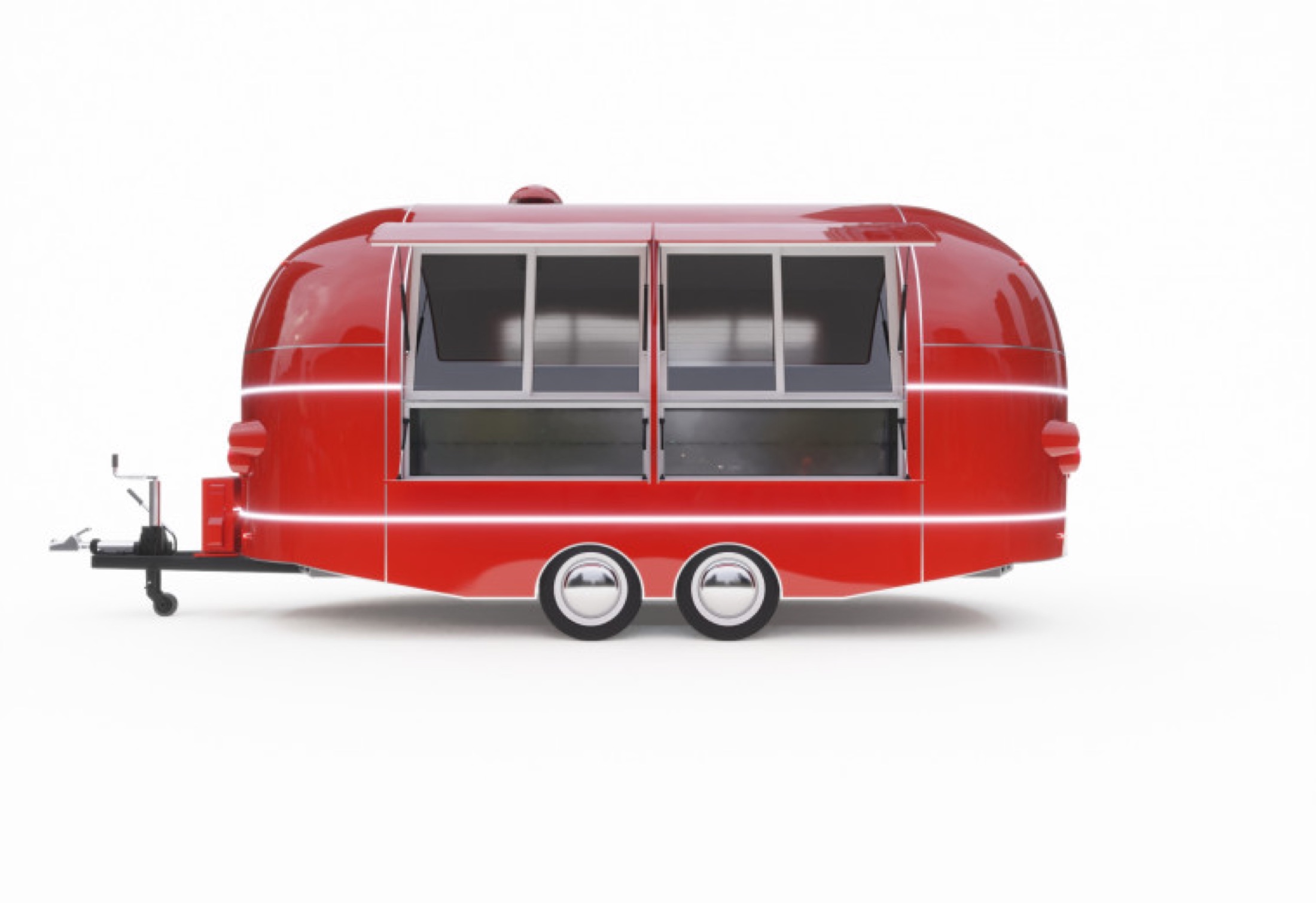 Physical review

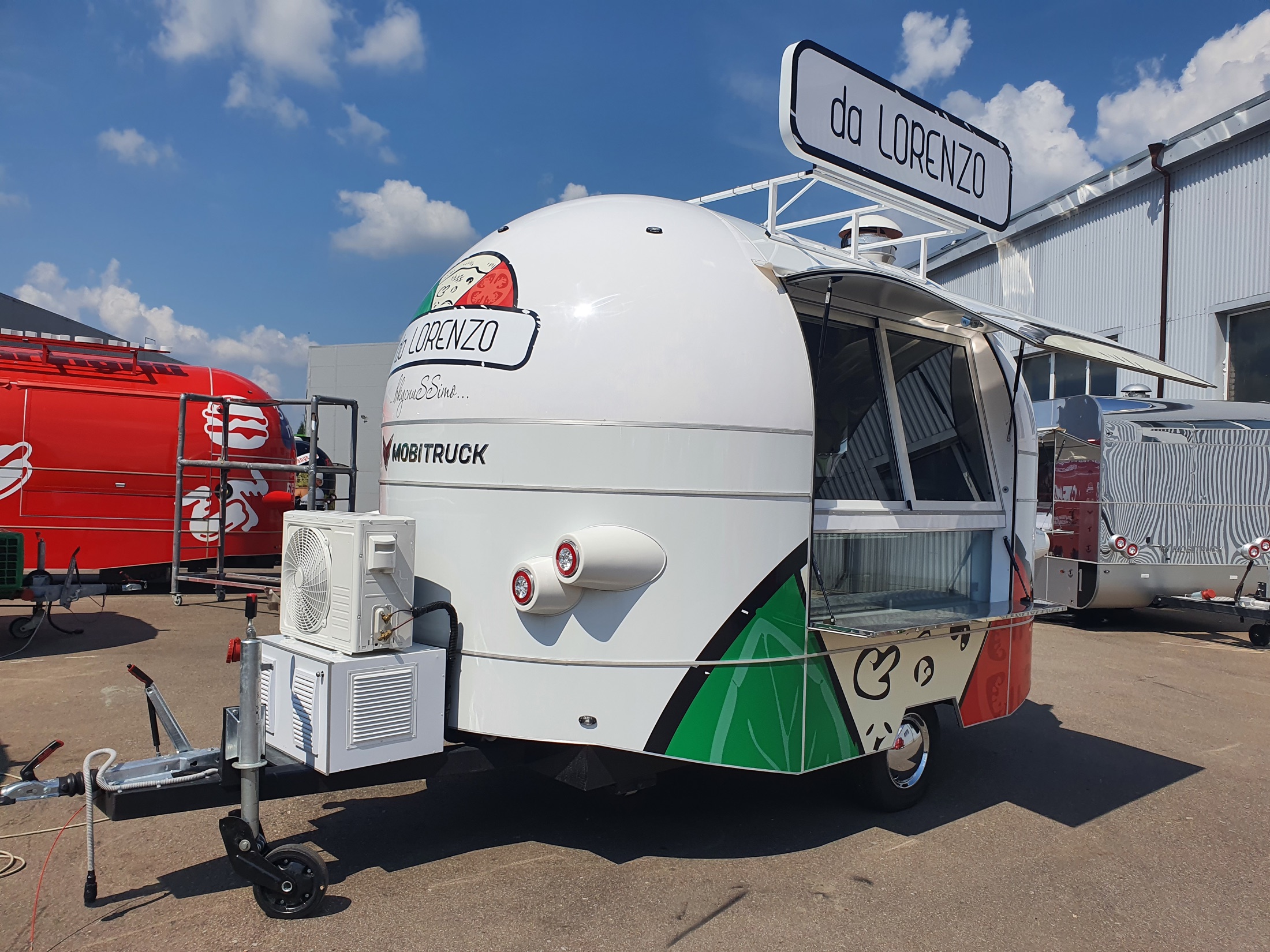 New-unit path