Food trailer permit guide · Official-source review September 24, 2026
The question "Is this food trailer permitted?" is too broad to answer. Vehicle identity and registration, food-service plan review, fire and trade work, business and tax registration, and permission to operate at a particular site can follow different agencies and different timelines. Your state, county, city, menu, equipment and actual operating location determine the path. Call the operating jurisdiction before you lock the layout or buy the equipment. A VIN is not a food-service license. A food-service license is not permission to park and sell anywhere you choose.
Separate the approval tracks
| Track | Typical question | Start with | Project document to prepare |
|---|---|---|---|
| Vehicle identity and registration | What documents are required to title or register this trailer? | State motor-vehicle agency and the responsible vehicle-stage manufacturer | VIN/manufacturer label, origin or title document, bill of sale and supplied weight/rating records |
| Food-service plan review and licensing | Is the menu and mobile operation acceptable? | State or local food-service regulator | Menu, floor plan, equipment list/cut sheets, water/waste and operating information |
| Fire, fuel gas and suppression | What review, permits, testing and inspection apply to the proposed cooking system? | Local fire authority and qualified contractors | Appliance schedule, hood/suppression and fuel-system documents assigned to the project |
| Building and licensed trades | Does the site or installation trigger electrical, plumbing, mechanical or building review? | Local building department and licensed professionals | Site plan, connection details and applicable trade drawings |
| Business and tax | What registrations, tax accounts or licenses does the operator need? | State and local business/tax agencies | Entity, tax, insurance and business-license records |
| Location and event permission | May the unit operate at this address or event? | Property owner, zoning/land-use office, event organizer and local authority | Site permission, hours, access, utilities, waste and parking/placement plan |
The agency names differ by location. Use the table to find the correct office, not to predict its decision.
Ask better questions before design
Instead of asking, "What permits do I need?" send a short operating description and ask:
- Does your agency regulate this menu and type of mobile unit at the proposed location?
- Which current rule, application and plan-review checklist apply?
- Is review required before construction or remodeling?
- Which drawings, equipment cut sheets, menu and utility information must be submitted?
- Are commissary, servicing-area, water or wastewater arrangements required for this operation?
- Which inspections occur before opening and which recur afterward?
- Do separate city, county, fire, zoning, event or business approvals apply?
- If the unit works in multiple jurisdictions, what changes?
Record the agency, contact, date, link, answer and next action. A remembered phone call is not a permit strategy.
The menu drives the review package
Give reviewers the actual processes:
- food received raw, prepackaged or prepared elsewhere;
- cooking, cooling, reheating and hot/cold holding;
- warewashing and handwashing;
- water source and wastewater handling;
- food and supply storage;
- proposed equipment by manufacturer/model;
- fuel, ventilation and fire-suppression concept;
- service location and support facility, if any.
The 2026 FDA Food Code is the current federal model as of this review. It is not a nationwide permit. States and local jurisdictions may adopt a Food Code edition and modify it, so the adopted rule and the reviewing agency's written decision govern the actual project. That distinction matters. A builder can help produce the drawings, equipment schedule and unit records. The authority decides whether the submitted operation meets the rules it administers.
What an approval proves — and what it does not
| Document or decision | What it normally establishes | What it does not establish |
|---|---|---|
| VIN, manufacturer label or title record | Identity and vehicle-stage information for the trailer | Permission to prepare food or trade at a location |
| Food-service plan approval | The reviewing agency accepted a submitted design and operating package for its scope | Final inspection, zoning approval or permission to use every site |
| Food-service license or permit | The operator/unit may conduct the covered food activity subject to its terms | Fire approval, business registration or property permission unless expressly included |
| Fire or suppression inspection | The reviewed fuel, cooking or suppression scope met that authority's requirements at that inspection | Food-service approval or approval of later changes |
| Business or tax registration | The operator has completed the covered registration | Approval of the unit, menu or operating location |
| Site, zoning or event permission | The unit may use the described place, time or event under stated conditions | A substitute for vehicle, food, fire or trade approvals |
Read the name of the issuing authority, the address or unit it covers, its expiration date and every condition. The document title alone is not enough.
Florida example: what DBPR currently asks for
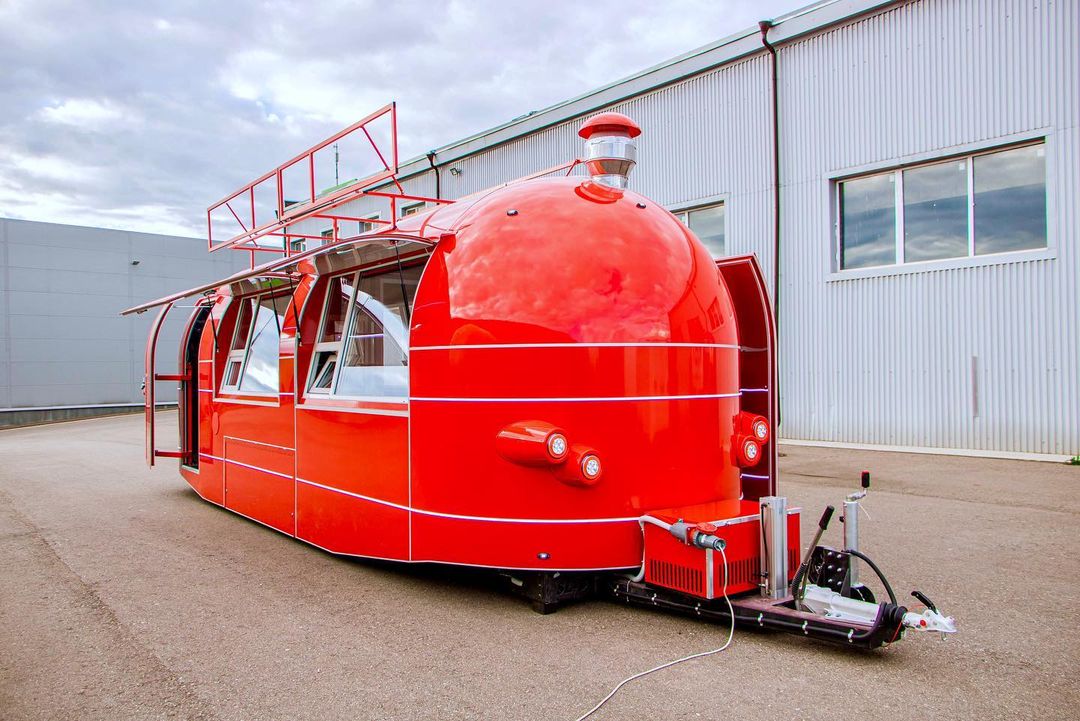
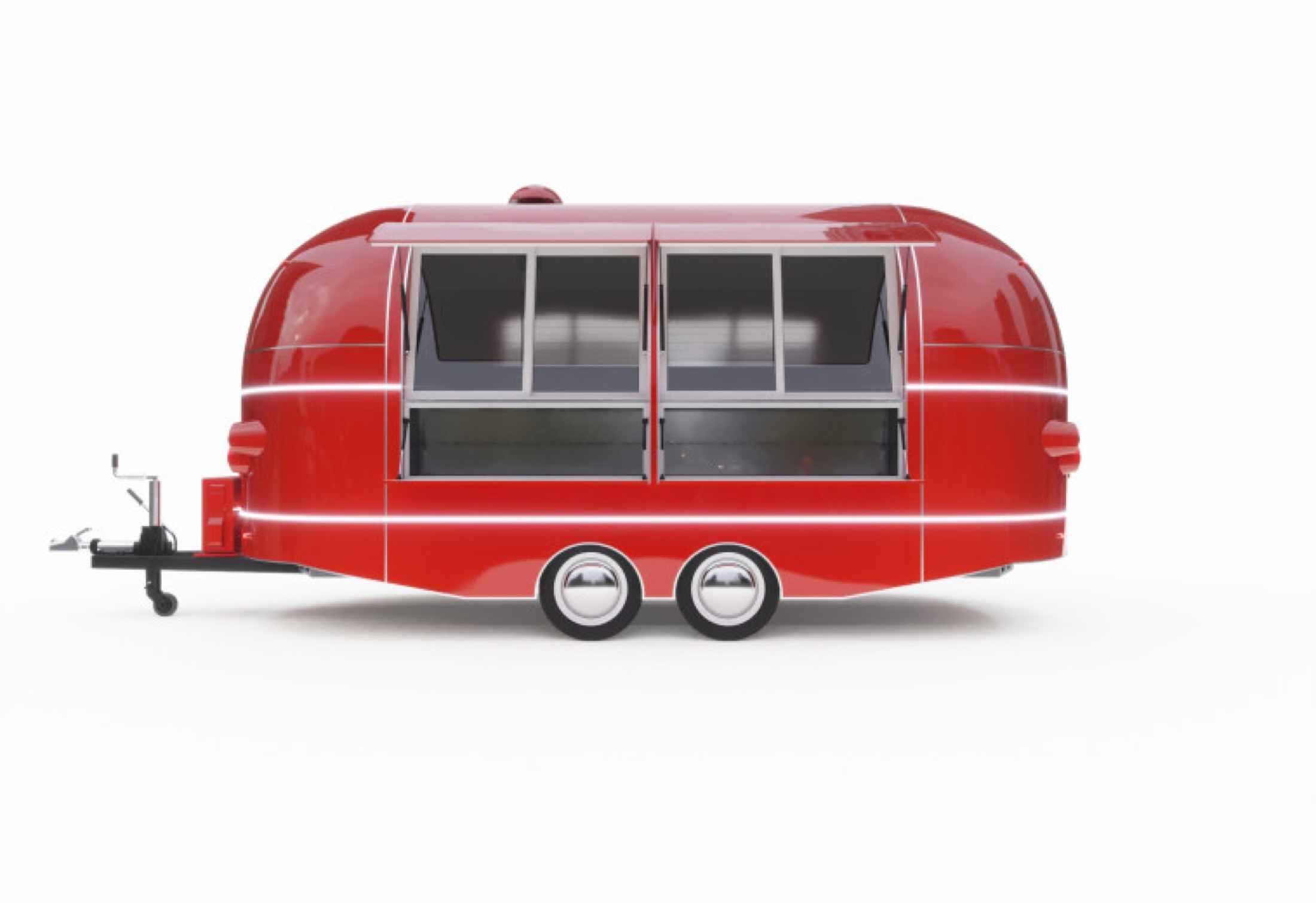
For a new Florida Mobile Food Dispensing Vehicle, the Florida Department of Business and Professional Regulation's current guide says plan review may require a labeled vehicle plan, sample menu, side photograph showing the wheels and open service window, and water/sewer or commissary information. The agency also describes a licensing inspection before opening. That is a Florida example checked on 2026-09-24. It should not be copied into a nationwide checklist, and it does not settle county, city, fire, site or project-specific requirements. The photograph on this page shows the kind of clear side view that can document wheels and open service windows; it is not evidence that the pictured unit has received a Florida license.
Three state routes show why one national checklist fails
These are routing examples, not complete state guides. Use them to identify the first responsible office and the documents that office publishes today.
Florida: begin with the food regulator for the proposed operation
Florida DBPR's current Mobile Food Dispensing Vehicle guide describes plan review, licensing and an opening inspection for the operations within its jurisdiction. It also explains that a different agency can become responsible in specific circumstances. Start with the DBPR MFDV guide, then identify the city or county offices responsible for fire, zoning, business and the actual site.
Georgia: county-of-origin and additional-county records matter
Georgia Department of Public Health publishes separate mobile-food materials for the base of operation, the mobile unit, additional counties, location listings, property use and toilet use. Its Food Service page is the current source library: Georgia DPH Food Service. Do not treat a food-service permit as a local zoning decision; confirm each intended operating location separately.
North Carolina: the commissary relationship is part of the route
North Carolina's food-establishment rules address the permitting authority connected to the commissary and require operating-location information for mobile food units. The rule also addresses servicing at the commissary. Read the current Rules Governing the Food Protection and Sanitation of Food Establishments, then ask the county environmental-health office how the rule applies to the real menu, commissary and counties of operation. The three routes use different forms and administrative structures. That is the point: food trailer permits by state is not one downloadable nationwide packet.
Keep the vehicle file separate
For the current MOBITRUCK U.S. path, Concession Nation assembles the rolling shell, assigns the American VIN and completes the applicable vehicle-certification work for its supplied stage. The specific unit file should identify the physical VIN/manufacturer label, origin document, certification information, running-gear and weight/rating records, bill of sale and written warranty scope supplied under the contract. Those records support the vehicle stage. They do not replace food-service, fire, building, business or site decisions. Read Who Handles VIN, Inspections and Warranty? for the current responsibility split.
Do not freeze these items before authority research
- equipment models that change menu capability, heat, ventilation or utilities;
- service-window and door locations;
- handwashing and warewashing layout;
- freshwater and wastewater approach;
- cooking-fuel system;
- hood, exhaust and fire-suppression relationship;
- shore-power, generator or site-connection assumptions;
- proposed commissary or servicing arrangement;
- fixed operating site or placement plan.
Early research does not guarantee approval. It reduces the chance that the project team designs around a rule or submission assumption that the relevant authority does not accept. Before signing for a site, work through Where Can I Operate a Food Trailer?. Before freezing construction details, review Quality & Compliance and the Food Trailer Document Package.
Maintain an authority log
| Date | Jurisdiction / agency | Contact or official link | Question | Response or requirement | Owner | Due date |
|---|
Attach official checklists and written responses. Mark rules and forms with the date checked because agencies can revise them.
Permit boundaries that need a named authority
Can a builder guarantee health-department approval everywhere?
No responsible nationwide statement can replace the decision of the authority reviewing the real menu, drawings, equipment and location. Ask what the builder will prepare, submit, correct and document under the contract.
Does registration allow me to sell food?
No. Registration addresses the vehicle. Food-service licensing and permission to operate are separate.
If I pass an inspection in Florida, can I operate in another state?
Do not assume so. Contact the agencies responsible for the next state and each intended local jurisdiction before committing to the operating plan.
Should I buy equipment before plan review?
Select the process and candidate models early, but confirm the review path and accepted documents before making irreversible purchases or freezing the layout.
Which permit should I apply for first?
There is no reliable national sequence. First identify the food regulator and site authority for the real operating address, describe the menu and unit, and ask which reviews must precede construction or equipment purchase. Run vehicle, business/tax, fire and site tracks in parallel when the responsible agencies allow it.
Start the authority log
Tell us where the trailer will actually work, including the city and site type. The registration state alone does not answer that question. Complete the jurisdiction section in the Food Trailer Project Brief, build the equipment and utilities schedule, and send both through Request a Quote. Name the agencies you reached, the answers you received and the questions nobody has answered yet.
Sources checked
- U.S. Food and Drug Administration, FDA Food Code, checked 2026-09-24.
- U.S. Food and Drug Administration, State Retail and Food Service Codes and Regulations by State, checked 2026-09-24.
- U.S. Food and Drug Administration, Food Establishment Plan Review Guide, checked 2026-09-24.
- Florida Department of Business and Professional Regulation, Guide to Mobile Food Dispensing Vehicles, checked 2026-09-24.
- Georgia Department of Public Health, Food Service, checked 2026-09-24.
- North Carolina Department of Health and Human Services, Rules Governing the Food Protection and Sanitation of Food Establishments, checked 2026-09-24.
- National Highway Traffic Safety Administration, Importation and Certification FAQs, checked 2026-09-24.
 Resource center
 Product system
 Next step