U.S. builder receiving guide · Source review September 5, 2026
A qualified U.S. builder can take over after the rolling-shell stage. Before anyone quotes the completion work, pin down what is arriving, which vehicle-stage records travel with it, who inspects it at receipt, what the final application requires, and where change and warranty responsibility move. Discuss the finish date after those points are on paper.
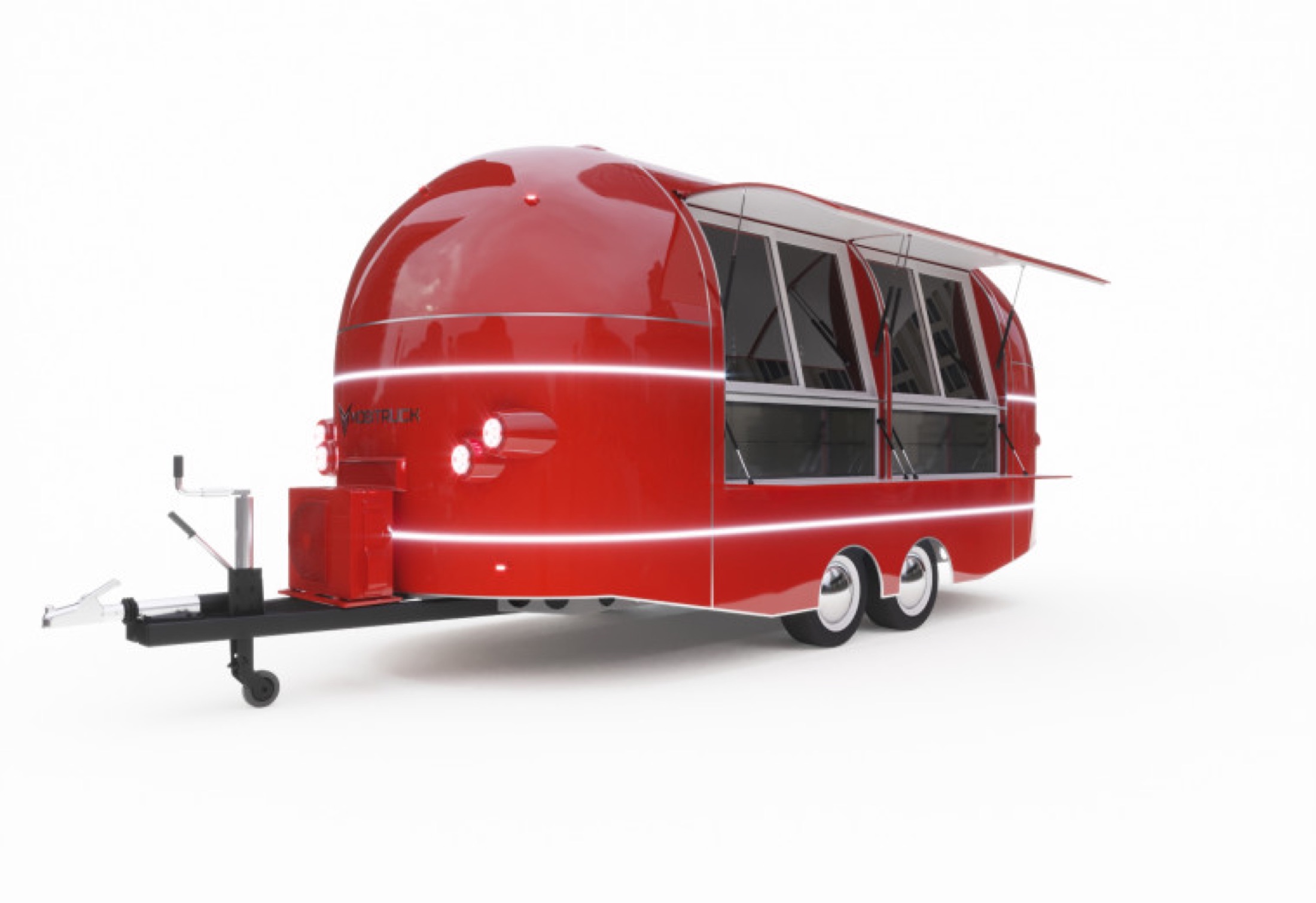
MOBITRUCK supplies the exterior shell system. Local builders keep control of the equipment, trades, authority coordination and service work assigned to their contract. In the current path, Concession Nation assembles the U.S. rolling shell, assigns the American VIN and completes the applicable vehicle-certification work for that supplied stage. It can finish the unit in Florida, or release the documented rolling shell to another qualified builder.
01Define what the builder is receiving
Do not use "shell" as a complete specification. Identify the handoff level in the proposal.
| Stage | Responsible party under the current path | Builder should verify |
|---|---|---|
| Shell-kit manufacture and preparation | MOBITRUCK production facility in Estonia | Approved model, shell configuration, openings, finishes and interfaces |
| U.S. rolling-shell assembly | Concession Nation | Physical condition, VIN and manufacturer identity, stated certification, and running-gear records for the supplied stage |
| Final application completion | Concession Nation or another contracted qualified builder | Interior, equipment, trades, documents, inspections, testing and warranty in its written scope |
| Operating approvals and site | Buyer and relevant authorities unless reassigned by contract | Jurisdictions, submissions, licenses, site permission and open obligations |
The signed agreements and actual unit records control. A website description cannot expand a builder's warranty or transfer an authority's decision.
02Get ten answers before pricing the completion
- Which MOBITRUCK model and exact shell configuration is proposed?
- Which openings, access panels and exterior features are fixed?
- Where will the rolling shell be received and inspected?
- What is the final application: food, beverage, retail, office, hospitality or another use?
- Which equipment models and cut sheets control the layout?
- Which utilities, ventilation, fire, climate and independent-power systems are contemplated?
- Where will the finished unit operate?
- Which drawings and authority submissions does the builder own?
- Who purchases equipment, manages changes and approves substitutions?
- Which party warrants each stage and installed component?
If the buyer cannot answer all ten, mark assumptions and exclusions. Do not bury them inside a single total price.
03Ask for a controlled interface package
The receiving builder needs enough information to avoid treating the shell as an unknown object. Project documents should identify, as applicable:
- dimensioned plans, elevations and sections for the supplied configuration;
- opening locations and usable clearances;
- structural zones and restrictions communicated for the project;
- equipment support and service-access assumptions;
- electrical, plumbing, ventilation, gas, HVAC and fire-system interface information assigned to the shell stage;
- exterior penetrations and attachment rules;
- finish-protection and repair information;
- unit identification and supplied vehicle records;
- open items, deviations and approved revisions;
- contacts for technical questions during completion.
The package must match the actual unit. A generic brochure is not an interface document.
04Inspect before completion work hides the handoff
At pickup or delivery, photograph the unit and record:
- all sides, roof areas visible from safe access and underside areas relevant to receipt;
- VIN and manufacturer or certification labels without publishing sensitive documents unnecessarily;
- running gear, tires, coupler, brakes and supplied connections named in the contract;
- doors, panels, windows, seals, locks and exterior finishes;
- dimensions and interfaces that control the final layout;
- shipping damage, missing items and open work;
- documents, keys, parts and loose materials received.
Both parties should sign the receiving record or document disagreements promptly. Use the full shell-to-builder handoff checklist before interior work begins.
05Own the work you control
A final builder should state its responsibility for the systems it designs, supplies or installs. Depending on the contract, that may include equipment mounting, electrical, plumbing, ventilation, fuel gas, fire suppression, HVAC, interior finishes, food-service fixtures, testing, commissioning, authority coordination and customer training.
State the exclusions too. Vehicle-stage certification does not automatically cover a later interior system. A food-service inspection does not replace vehicle records. A component manufacturer's warranty does not automatically cover the builder's labor or another company's shell work.
Read Who Handles VIN, Inspections and Warranty? with the buyer before signing the completion scope.
06Where the independent builder fits
Some buyers want Concession Nation to take the project through final completion in Florida. A buyer who already works with a builder in another state can keep that relationship when all parties document the transfer before the shell ships.
The independent builder brings local equipment knowledge, qualified trades, authority experience and the service relationship. MOBITRUCK provides the exterior shell design and prepared shell-kit system. Concession Nation owns its assigned U.S. rolling-shell stage. The contract should give the buyer one named owner for each remaining decision and item of work.
Sources checked
Current vehicle-stage and handoff references
- Electronic Code of Federal Regulations — 49 CFR Part 567, CertificationChecked September 5, 2026 for current manufacturer, certification-label and vehicle-stage definitions.
- Electronic Code of Federal Regulations — 49 CFR Part 568, Vehicles Manufactured in Two or More StagesChecked September 5, 2026 for current incomplete-, intermediate- and final-stage responsibilities.
- Concession Nation — About UsChecked September 5, 2026 for its public VIN, Certificate of Origin, certification-label, weighing and quality-control statements.
- MOBITRUCK — Manufacturing and U.S. completion pathChecked September 5, 2026 for the current commercial handoff path.
FAQQuestions builders usually ask
Can I buy a shell kit directly and assign my own VIN?
The current MOBITRUCK U.S. path uses Concession Nation for rolling-shell assembly, the American VIN and applicable vehicle-certification work for its supplied stage. Any different manufacturing path would require a separately reviewed legal, engineering, documentation and commercial structure; do not infer it from this page.
Can I complete the rolling shell outside Florida?
Yes, if the parties approve the receiving builder and document the handoff, interfaces, transport, completion work and warranty split.
Who approves the final food-trailer layout?
The buyer approves the commercial brief and contracted drawings; relevant authorities decide their submissions and approvals. The final builder should identify which coordination and correction work it includes.
Will MOBITRUCK compete with my local equipment and service business?
The open-builder path separates the exterior shell product from local completion. The actual territory, purchasing, customer relationship, warranty and service terms belong in a written commercial agreement.
 Build path
