
Pizza trailer startup guide · Official-source review September 21, 2026
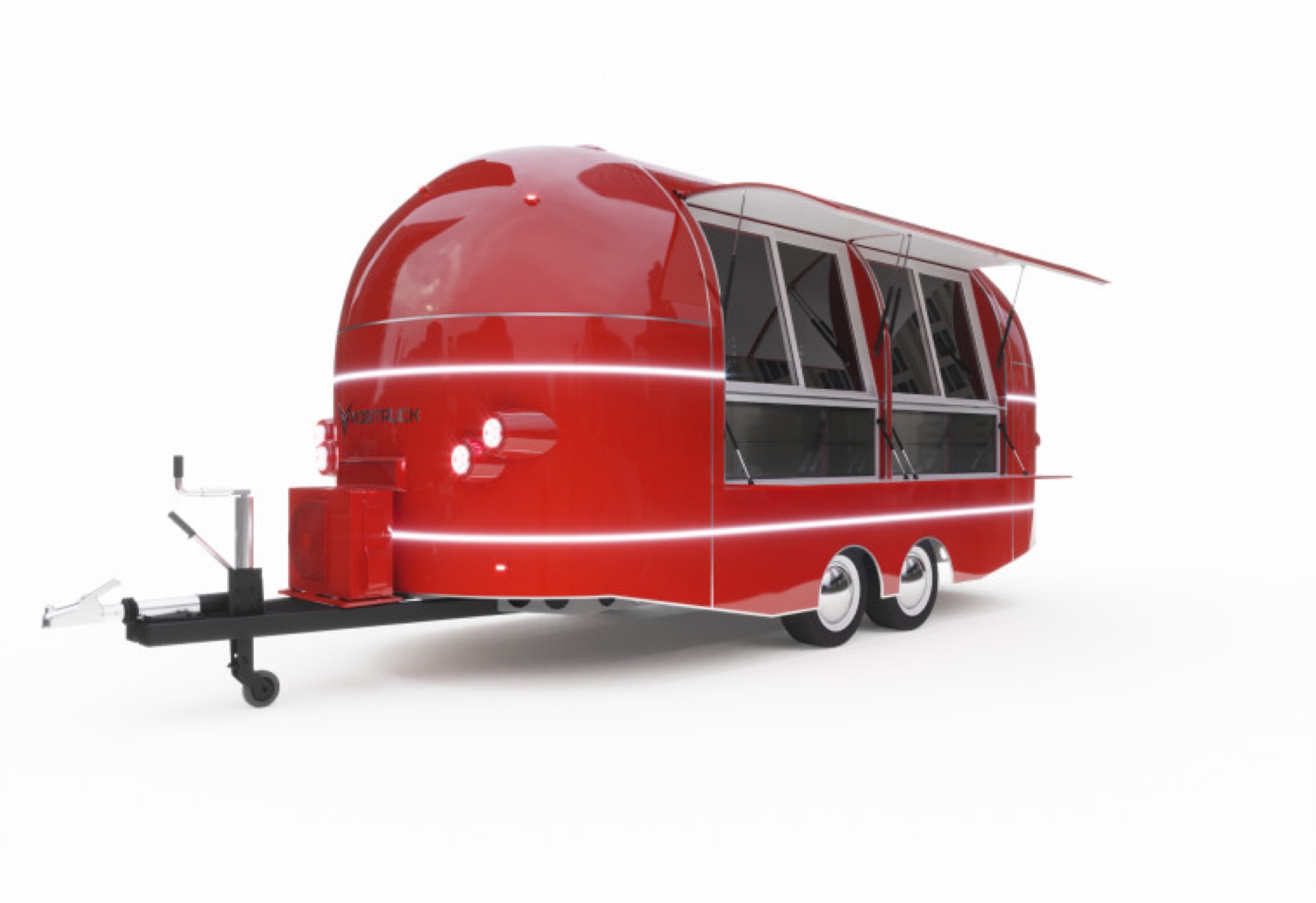
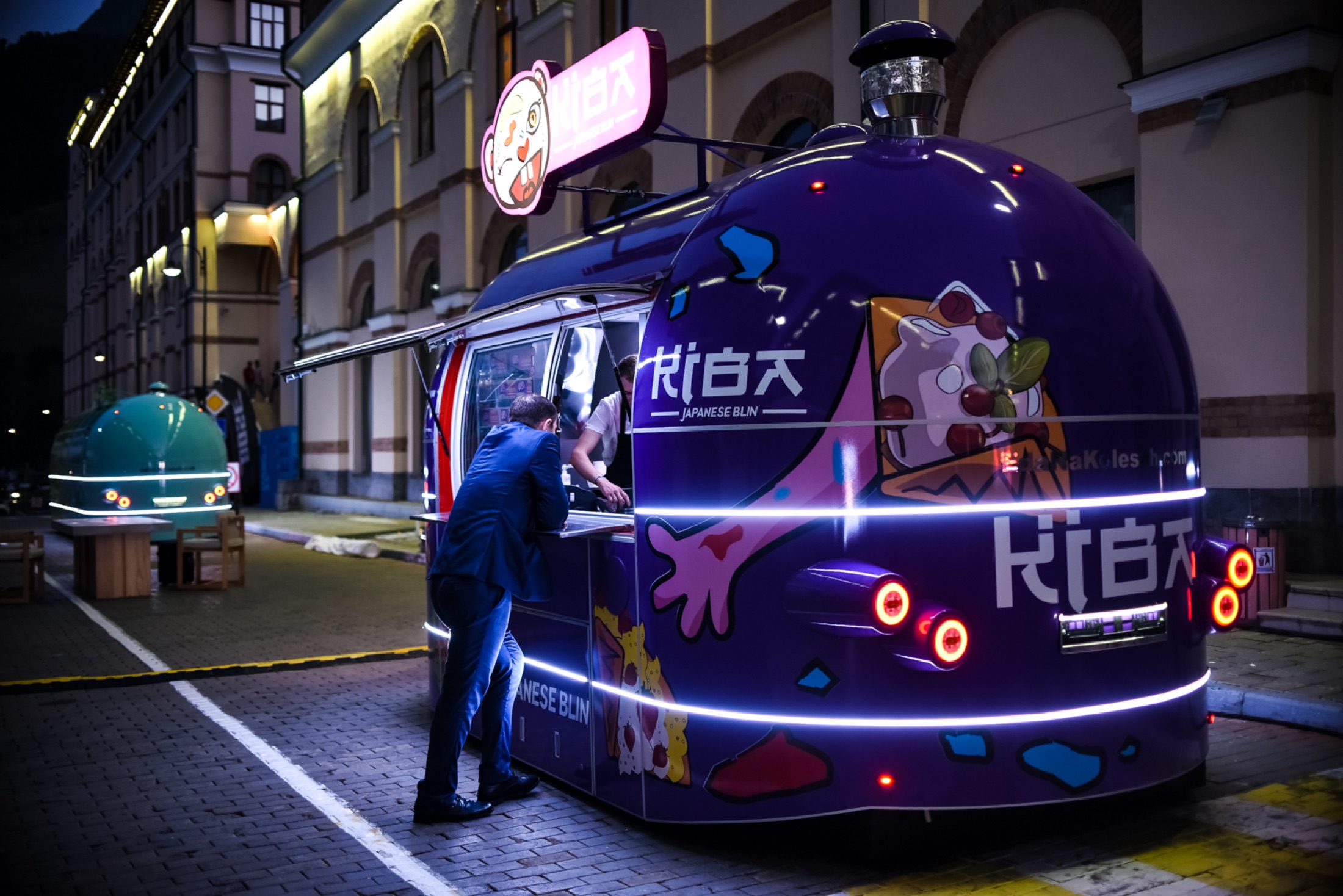
Short answer: Choose the pizza and production method before you choose a trailer or oven. Write the dough and topping process, decide what happens on the trailer versus at a support kitchen, and test a mixed-order rush. Take the menu, proposed address and exact oven documents to the food regulator and fire authority. Release the layout only when the oven, ventilation, electrical or fuel design, water, storage, service flow and loaded weight have been reviewed together. The general food trailer startup guide covers the wider business sequence. This page deals with the pizza decisions that change a mobile kitchen. The blue MOBITRUCK service-trailer photo is a space-planning reference, not evidence of a permitted pizza build or a particular oven's performance.
Specify the product before choosing an oven
Write down the opening menu and each production step. A made-to-order pizza using dough mixed and proofed elsewhere is a different project from stretching and topping dough on board. Par-baked crusts, frozen pizzas, refrigerated toppings and slices held for service create different storage and temperature-control questions. Record where ingredients arrive, how they are protected, and who prepares each component.
| Decision | What to record | Consequence for the layout or review |
|---|---|---|
| Dough | Source; mixed, fermented, portioned or stretched on board; batch size | Prep surfaces, refrigeration, handwashing, cleaning and possible support-kitchen scope |
| Sauce, cheese and toppings | Sources, preparation site, storage conditions, portion method and allergen handling | Cold storage, prep space, separation and replenishment path |
| Pizza format | Diameter, crust, topping load, bake method and packaging | Oven fit, work area, output test and pickup space |
| Service | Whole pies, slices, preorders, delivery or event batches | Hot holding, packaging, order sequencing and customer queue |
| Leftovers | Whether food is cooled, reheated, discarded or carried over | Equipment capacity, monitoring and regulator review |
If the menu still changes the dough process or oven fuel, do not lock wall openings and utility runs. Ask the equipment supplier and builder to price a defined process, not a drawing with an unspecified "pizza oven" box.
Get food and fire review for the actual process
The 2026 FDA Food Code is a model for adoption by jurisdictions, not a national mobile-food license. The Conference for Food Protection's 2025 mobile guidance addresses mobile-establishment plan and application review. Ask the food authority for the planned operating location which version of its rules applies, whether a support facility is needed, and what must be submitted before construction. Send the authority the menu, process flow, ingredient sourcing, anticipated volume, support location, proposed equipment, water and wastewater arrangement, floor plan and intended service sites. The FDA plan-review guide recommends placing equipment and diagramming mechanical, electrical and plumbing work on paper while changes remain possible. Send the fire authority the same menu and each oven manufacturer's installation instructions and cut sheet. Include oven location, heat and exhaust information, fuel or electrical input, clearances, chimney or vent proposal if any, fire-protection proposal and generator position. NFPA 96 (2024) addresses commercial cooking in mobile and temporary operations, and the NFPA food-truck safety sheet covers fire, fuel and generator precautions. The sheet is guidance and directs readers to the local jurisdiction for specific requirements. No oven category gives every pizza trailer the same hood, suppression, vent, fuel or installation answer. Gas, electric and solid-fuel proposals each need review of the exact listed equipment, process and applicable adopted code. A vendor's "ventless" label does not decide what the authority will accept. Get the food and fire answers in writing before the builder cuts the shell.
Compare oven paths on the same operating test
Ask each supplier for a current model-specific cut sheet and installation manual. Capacity claims depend on pizza size, topping load, starting temperature, heat recovery and operator technique. Compare candidates using the same menu and rush target rather than different catalog headline outputs.
| Oven path to investigate | Confirm with supplier and reviewers | Do not assume |
|---|---|---|
| Electric deck, conveyor or compact oven | Supply voltage, phase, running and starting demand, heat rejection, clearances and rated test conditions | That an electric oven removes ventilation or fire review |
| Gas-fired deck or conveyor | Fuel type, pressure, consumption, combustion air, exhaust, clearances and listed installation | That an existing propane system can carry the added load |
| Solid-fuel oven | Fuel and ash handling, vent or chimney design, exterior discharge, fire separation and transport restraint | That an outdoor oven is permitted at every site |
Record oven dimensions, installed and operating weight, door swing, service clearance, maintenance access and how the oven is secured for travel. If the oven is outside the trailer, show the actual event or property footprint and weather procedure. Confirm whether that arrangement is part of the permit application. The equipment and utilities brief is a place to keep model numbers and cut sheets tied to one plan revision.
Map dough, cold prep, bake and handoff
Draw one order from ticket to customer. Mark the dough and topping storage, stretching or assembly surface, oven loading, finished-pizza landing, cutting, boxing and pickup. Then trace dirty tools, handwashing, wastewater and trash back through the line. Show how staff restock cheese and toppings while another worker operates the oven. The food authority must evaluate the actual preparation and temperature-control plan. A small trailer can fit the equipment on a static drawing and still block handwashing, cold storage access or a safe hot-pizza landing during service. Use the service-flow worksheet to show worker movement and door swings before fixing equipment positions. Determine whether slices or finished pies will be held, served immediately, or cooled and reheated. Ask the food reviewer for the applicable control and record requirements. A heat lamp, display case or insulated delivery bag is not automatically a compliant holding system. Make the intended process explicit in the plan, including what happens to food that cannot be sold within the approved procedure.
Rehearse the rush and price a repeatable output
Build a test order mix with the actual pizza sizes, toppings and staff count. Include a simple pie, a heavily topped pie and an order that makes the team use the same prep or oven space twice. Time each stage: order, dough, topping, loading, baking, landing, cutting, boxing and pickup. Keep cleaning, handwashing and temperature checks in the rehearsal. Record the first constraint and rerun after changing one condition. It might be dough space, refrigerated topping access, oven recovery, safe landing area, boxing or a customer queue that blocks service. Use a repeatable result from the tested process as one input to the business plan; do not advertise it as a guaranteed pizzas-per-hour capacity. Build a recipe cost for each launch pizza, including ingredients, packaging and transaction fees. Add the paid preparation and service labor, support-kitchen expense, site fees, fuel or electricity, cleaning, insurance, equipment servicing, permits and opening stock. Put actual quotes into the food trailer break-even calculator. Its output is a scenario, not demand, profit or financing approval.
Screen the site and the loaded build
Check the proposed parcel or event with the property owner, land-use authority and fire authority. The food permit, the trailer's VIN and a property agreement answer different questions. Confirm site access, hours, customer queue, oven or chimney discharge, fuel and generator placement, grease and ash handling where applicable, water fill, wastewater service and waste collection. Keep the answer for each address and operating format. The oven, fuel, chimney or vent, refrigeration, water, dough, food and packaging all affect loaded weight and balance. Give the equipment schedule and operating loads to the builder responsible for the completed vehicle. Use the weight-budget worksheet and check the actual unit ratings and final weight distribution; a generic pizza floor plan cannot establish them. MOBITRUCK prepares the shell system in Estonia. In the current U.S. path, Concession Nation assembles the rolling shell, assigns the American VIN and performs applicable vehicle-certification work for that stage. Concession Nation or another qualified U.S. builder completes the final pizza application under a separate scope. The written contract must allocate oven selection, installation, ventilation, fuel or electrical work, testing, regulatory coordination and delivered records. The unit-specific VIN, certification label and final-build documents control unit-specific claims. Review Shell Kit vs Rolling Shell vs Turnkey, then send the food trailer project brief with the menu, oven candidates, rush test, address and written authority answers. Request a scoped conversation before anyone releases the layout for fabrication.
Questions pizza-trailer founders ask
Which pizza oven is best for a food trailer?
Choose after testing the planned pizza and rush mix and reviewing the exact model's dimensions, weight, utility input, installation instructions and authority requirements. A catalog pizzas-per-hour figure cannot settle the whole trailer design.
Can an electric pizza oven avoid a hood or fire review?
Do not infer that from the fuel type. Submit the actual appliance, cooking process and installation proposal to the applicable fire and mechanical reviewers. Their adopted code and written decision control the design.
Do I need a commissary or support kitchen?
The answer depends on the operating jurisdiction, dough and topping preparation, cleaning, storage and service arrangement. Describe what work occurs on the trailer and off it, then ask the food authority to confirm the approved support-facility path.
Can I sell slices prepared earlier?
Only under the food authority's applicable holding, cooling or reheating rules and an operating procedure the equipment can support. State the slice process in the application and confirm the monitoring and discard procedure before offering it.
Does a VIN or food permit let me park at any event?
No. Vehicle, food, fire, land-use and property permissions have separate owners. Check the exact site, operating hours and external oven or generator footprint before committing to an event.
Sources checked September 21, 2026
- FDA Food Code 2026: a model offered for jurisdictional adoption, not a national pizza-trailer permit.
- FDA Food Establishment Plan Review Guide: equipment location and utility diagrams belong in review before construction.
- CFP Guides and Documents: the 2025 Mobile Food Establishment Guidance Document addresses application and plan review.
- NFPA 96 (2024) and the October 2024 NFPA food-truck safety sheet: mobile-cooking fire and fuel planning; local adopted requirements control.
Next step
Take the launch menu, process map, exact oven cut sheet, address, rush-test record and authority answers to a scoped trailer conversation. The responsible food and fire authorities, qualified trades and signed builder scopes must settle the final installation and approval details.

 Commercial solution
 Planning tool