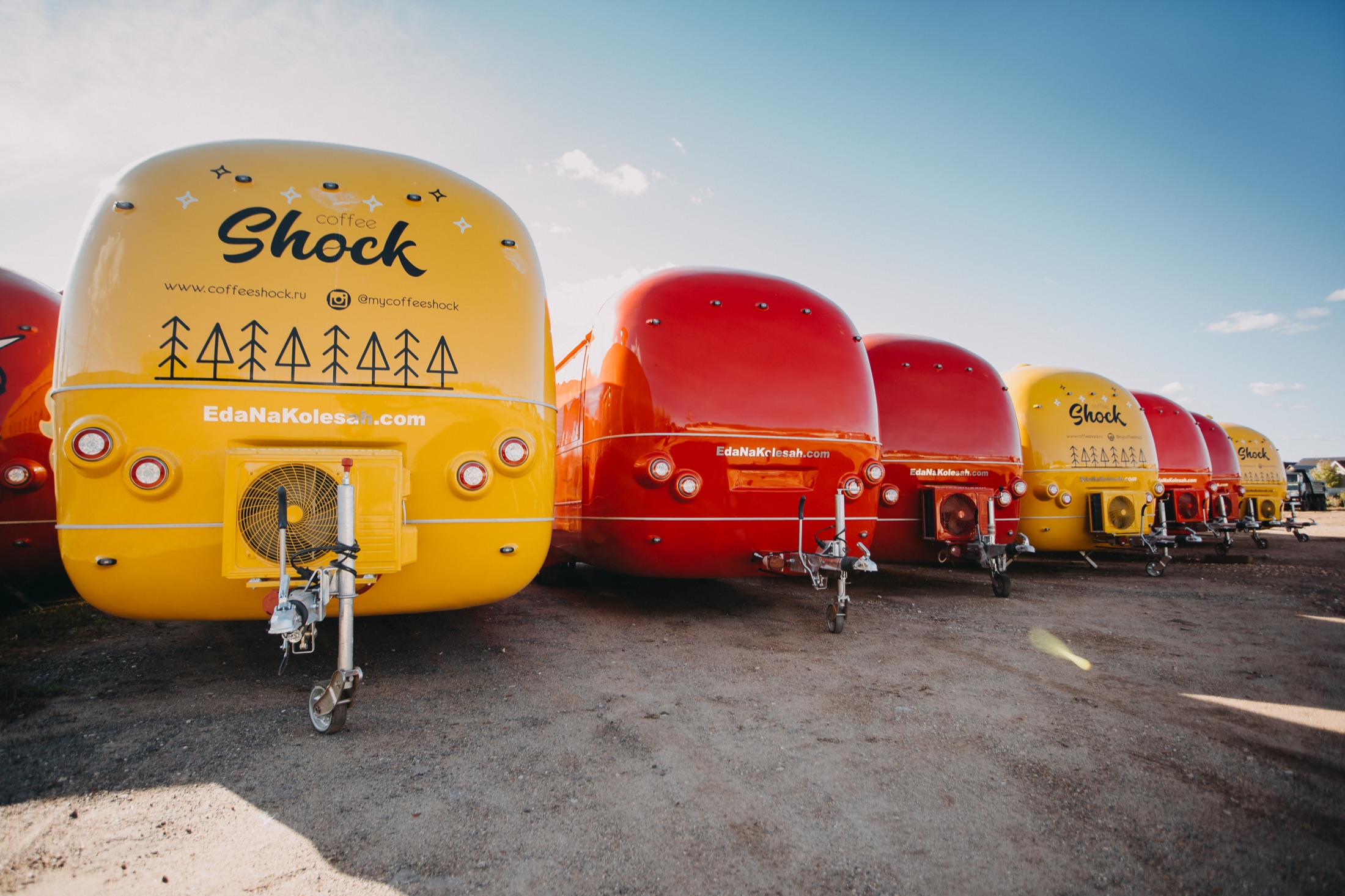
Commercial trailer fleet control · Editorial review September 17, 2026
Do not authorize volume production from an attractive prototype alone. Release the fleet only after the pilot has an approved bill of materials, an approved-alternates register, a completed inspection checklist, a current revision log and a named change owner. Quantity, markets, delivery cadence and field-service responsibility also need written owners before the first batch is released.
The pilot is evidence—not a sample to copy from memory. Its job is to expose operating, equipment, build, document and support decisions while one unit can still be corrected without creating the same problem across a fleet.
01Define what the fleet is supposed to repeat
Start with the commercial program, not the unit count. Name the application, the customer interaction, the people working inside, the intended markets and the delivery window. Then separate the decisions that should remain common from the differences that must be controlled by market or operator.
| Program layer | Typical controlled decisions |
|---|---|
| Common platform | Shell family, exterior architecture, primary openings, brand zones and agreed build stage. |
| Operating baseline | Service sequence, staffing assumptions, equipment schedule, utilities and daily setup. |
| Controlled variant | Documented market, menu, site, climate or operator difference with its own released configuration. |
| Unit-specific record | Actual installed components, inspections, open items, delivery condition, warranty and receiving acceptance. |
A controlled variant is not a mistake. An undocumented variant is. If one market needs different equipment or a different final builder, give that version a clear identifier before anyone orders material.
02Build the pilot from one approved scope
Carry the same operating brief into the drawings, BOM, equipment schedule, inspection plan and acceptance criteria. The food trailer scope-of-work guide shows how to turn broad labels into named deliverables, evidence and exclusions. Use the equipment and utilities brief for every model-specific appliance and connection.
Do not let the pilot become a collection of unrecorded shop decisions. When a component, opening or procedure changes, update the controlled record before deciding whether the change belongs in later units.
03Use a real pilot-to-volume release gate
No volume production should begin until the first six lines below are approved. The final readiness line controls when the first batch can be received and supported. A calendar date does not override a failed gate.
| Gate | Release evidence | Stop condition |
|---|---|---|
| Operating baseline | The pilot uses the approved application, staff plan, service sequence, equipment schedule and target-market assumptions. | The menu, equipment, staffing or operating market is still moving. |
| Controlled bill of materials | The BOM identifies each controlled component by manufacturer, model or drawing revision, quantity and responsible supplier. | The list still uses categories such as 'equivalent refrigerator' or 'standard electrical package.' |
| Approved alternates | Every permitted substitute has a recorded review path. Write 'no substitute approved' where the program has no accepted alternate. | Purchasing or a builder may substitute equipment without reviewing dimensions, weight, utilities, ventilation, service access and warranty. |
| Pilot inspection checklist | The pilot has been inspected against the approved scope, drawings and promised tests. Open items are closed or have a named owner and written disposition. | Acceptance depends on photographs, memory or a general statement that the unit is complete. |
| Revision log | The current revision records what changed, why it changed, who approved it and which later units receive the change. | The team cannot identify the configuration that should be repeated. |
| Named change owner | One person or role can approve, reject and release program changes across brand, operations, purchasing and build teams. | Different departments can direct suppliers independently. |
| Rollout readiness | Quantity, markets, batch size, delivery cadence, receiving parties and field-service ownership are written down. | Units can be built, but the program cannot receive, commission or support them on the planned schedule. |
Record the decision as RELEASED, RELEASED WITH NAMED CONDITIONS or NOT RELEASED. Include the decision owner, date and document revisions reviewed. A meeting note that says "looks good" is not a production release.
04Test the pilot as an operating unit
Review the pilot in the conditions the program actually expects. If the intended market or site is not available, label the test limitation instead of treating a workshop demonstration as field validation.
| Review | What to record |
|---|---|
| Service | Run the intended order, work or customer sequence with the planned staffing. Record congestion, reach, replenishment and cleaning problems. |
| Equipment | Confirm installed manufacturer and model numbers against the BOM. Test the operating cases promised in the acceptance plan. |
| Utilities | Compare the installed connections and loads with the approved schedules and the sites where the pilot is expected to work. |
| Travel and setup | Document the travel state, arrival sequence, deployment steps, close-down work and items that must be secured. |
| Documents | Match the actual unit to its drawings, equipment records, inspection evidence, warranty package and open-item list. |
| Field support | Route one realistic service question through the proposed support path. The team should know who owns the first response and who can authorize work. |
Use the pre-pickup inspection guide for contract-to-unit checks and the video walkthrough checklist when part of the review must happen remotely.
05Freeze the BOM and control every alternate
The released BOM should identify more than a product category. Record the manufacturer, model, relevant revision, quantity, responsible supplier and the drawing or interface affected by that component.
An alternate belongs in the program only after the team reviews what it changes. A lower purchase price does not answer questions about dimensions, weight, connections, ventilation, clearances, output, maintenance access, documents or warranty. If no substitute is approved, say so plainly.
When availability changes, purchasing raises a change request. It should not quietly turn the next unit into a new prototype.
06Give one owner authority over the revision
Brand, operations, purchasing and builders may all request changes. One named person or role must own the released configuration. That owner does not have to make every technical decision; the owner makes sure the required reviewers have answered before the change reaches production.
Keep these fields in each change record:
- Requested change and business reason;
- Requester, decision owner and approval date;
- Affected drawing, BOM line, procedure or document;
- Impact on dimensions, weight, utilities, ventilation, service access, schedule, cost and warranty;
- Units affected by identifier, batch or effective date;
- Required reinspection, authority review or customer notice;
- Superseded revision and current released revision;
Identify the first unit or batch that receives the approved change. Keep earlier unit records as built. Rewriting history makes service and warranty questions harder later.
07Separate the shell baseline from final-build variants
Under the current U.S. path, the MOBITRUCK shell kit is manufactured and prepared in Estonia. Concession Nation assembles the U.S. rolling shell, assigns the American VIN and completes the applicable vehicle-certification work for its supplied stage. Concession Nation or another qualified builder can then complete the application under a written responsibility split.
A fleet may use a common shell baseline and more than one final builder, but each handoff needs the same released interfaces, receiving inspection and document rules. Review the current manufacturing path and the VIN, inspection and warranty responsibility map before assigning a regional completion network.
The actual proposal, drawings, labels, unit records and builder contracts control each trailer. This guide cannot assign responsibility where the signed documents do not.
08Release batches the receiving network can absorb
Production capacity is only one part of cadence. A fleet can arrive faster than sites, operators or service teams can receive it. For each batch, name the units, destination, receiver, target date, commissioning work, document package and open-item escalation path.
The food trailer document-package guide separates program records from the records that must match the physical unit. Keep both. A master equipment list does not prove what was installed on a particular trailer.
09Plan field service before the fleet leaves
Write the first call for each issue before delivery: running gear, shell finish, final-builder work, installed equipment, graphics, transport damage and local operating questions. Then identify who can diagnose the issue, authorize work and close the record.
Warranty terms come from the applicable written warranty, not from the fleet plan. Regional builders and equipment manufacturers may own different scopes. Give operators one routing sheet without pretending that one company warrants work it did not supply.
10Respect the limits of a successful pilot
A pilot can confirm its recorded configuration and reveal problems in the conditions actually tested. It cannot guarantee sales, customer demand, approval in every market or identical results from another operator. A decision from one health, fire, land-use or other authority does not automatically control a different jurisdiction.
Before assigning a configuration to another market, use the jurisdiction checklist and record any required variant through the same change process. If the answer is still open, hold that market's release.
Current program references
Pages checked for the present MOBITRUCK scope
- MOBITRUCK — Commercial trailer fleet manufacturingChecked September 17, 2026 for the current prototype, standardization and rollout path.
- MOBITRUCK — Manufacturing and U.S. completion pathChecked September 17, 2026 for the current Estonia shell-kit, U.S. rolling-shell and final-builder responsibility sequence.
- MOBITRUCK — Food trailer scope of workChecked September 17, 2026 for deliverable, evidence, change and acceptance controls.
- MOBITRUCK — Food trailer document packageChecked September 17, 2026 for program-level and unit-specific record separation.
 Build path
 Next step