Taco trailer hot, cold and assembly guide · Official-source review October 5, 2026
Short answer: Plan a taco trailer as three connected work zones: protein production and holding, refrigerated garnish and salsa, and final tortilla assembly. Write the launch menu as a sequence, select the exact appliances, then trace one mixed order through cooking, cold prep, assembly, pickup and dirty return. The equipment cut sheets should drive the utility schedule, ventilation and fire review, cleaning access and loaded-weight budget.
A taco menu can look compact on the board while asking the trailer to handle several different food-safety and service paths. Raw poultry, cooked meat, hot beans, refrigerated salsa, cut produce and ready-to-eat garnish cannot be treated as one generic prep line. If those paths are still unresolved, the equipment locations are early.
Official sources were checked on October 5, 2026. The FDA Food Code is a model. Rules adopted by the state and local authority control the project. This is a project-planning guide, not legal, food-safety, fire-code or engineering advice.
01Reduce the launch menu to production methods
List every launch item, then group it by what the crew actually does. “Tacos, burritos and quesadillas” is a sales menu. The builder needs to know whether proteins arrive raw or cooked, whether they are grilled to order or reheated, where tortillas are heated, how cold garnish is replenished and whether salsa is prepared onboard or at an approved support facility.
| Menu decision | What it changes inside the trailer | Question to close before drawings |
|---|---|---|
| Raw protein cooked onboard | Receiving, cold storage, raw-food separation, cooking equipment, ventilation, fire review and cleaning | Which proteins, package sizes and exact cooking appliances are in the launch scope? |
| Cooked protein reheated or finished onboard | Approved source, transport, reheating method, hot holding and batch control | Where is the product prepared, and what written procedure will the food authority review? |
| Braised protein produced onboard | Prep, cooking time, cooling or holding plan, vessel cleaning and heat load | Will the product be cooked and served in one service period, hot-held or cooled for later use? |
| Cold salsa and garnish prepared onboard | Produce wash, protected prep, refrigeration, utensil control and cold-line capacity | Which ingredients arrive ready to use, and which are cut or mixed in the trailer? |
| Tortillas heated to order | Griddle, comal or other exact appliance, landing area and hand movement | How many tortilla types must the line handle during one mixed ticket? |
| Frying chips or menu items | Fryer, oil handling, hood and suppression review, landing and waste-oil path | Is frying necessary for launch, or can it be assigned to a later configuration? |
| Pickup, delivery and catering together | Packaging storage, labeling and completed-order staging | Where will finished orders wait without blocking assembly or the customer window? |
Choose the smallest launch process that can deliver the intended menu. Add a second protein method, onboard salsa production or frying only when the operating plan justifies the added equipment, cleaning and authority review.
02Map raw, hot and ready-to-eat paths separately
Use separate colors on the floor plan for raw protein, cooked protein, refrigerated ready-to-eat ingredients, tortillas and packaging, dirty utensils and staff. Start at receiving and finish at waste or warewashing. The paths should be visible on paper before counters are fixed.
Walk one mixed order:
- retrieve the selected protein without crossing ready-to-eat garnish;
- cook, reheat or portion it under the accepted process;
- heat the tortilla and move it to a protected assembly surface;
- add hot components without reaching across the cold garnish rail;
- add salsa and ready-to-eat toppings with controlled utensils;
- wrap, plate or box the order;
- label and stage it for the correct pickup path;
- move dirty pans and utensils toward warewashing without returning through clean assembly.
Now open the refrigerator drawers, hot-holding doors, waste bin and service panels on the drawing. Show a staff member at the hand sink. If the cook blocks cold-line replenishment or the cashier reaches across assembly to hand off an order, the line needs another pass.
The 2026 FDA Food Code model holds time/temperature control for safety food at 135°F or above for hot holding, or 41°F or less for cold holding, except where an allowed alternative applies. A local authority may be operating under a different adopted edition or amended rule. Record the exact controlling rule and the operator's approved procedure rather than treating the federal model as a nationwide permit.
03Build the hot line around exact appliances
“Griddle and steam table” is not enough for construction. Each appliance needs a manufacturer, model, current cut sheet, installation manual and a named owner for installation and testing.
| Hot-line function | Model-specific details to record | Layout conflict to test |
|---|---|---|
| Protein cooking | Fuel or electrical input, dimensions, clearances, ventilation, grease production, controls and installed weight | Raw-food access, utensil storage, protected landing and safe operator position |
| Tortilla heating | Surface size, recovery, fuel or power, clearance and cleaning method | Access from assembly without crossing raw prep or fryer movement |
| Reheating | Method, batch size, time and temperature procedure, equipment listing and utility input | Whether the reheating step can keep up with the mixed-order test |
| Hot holding | Pan sizes, capacity, service access and temperature-control method | Staff reach, replenishment and separation from refrigerated garnish |
| Frying, if included | Fryer model, oil capacity, hood and suppression interface, basket movement and oil-disposal plan | Landing space, splash exposure, travel restraint and cleaning route |
Do not use the word “ventless” as an approval. The actual cooking process, appliance documentation, installation, adopted code and authority review determine the ventilation and fire-protection path. NFPA 96 includes provisions for mobile and temporary cooking operations, and NFPA's food-truck safety material addresses fuel, generators, exhaust and operating checks. The responsible authority and trades decide how those requirements apply to the finished installation.
04Give the cold line enough room to stay cold
The garnish rail often carries several small containers, but its working load is larger than the visible pans. Include backup ingredients, closed storage, replenishment space, utensils, labels and the heat that reaches the line from cooking equipment and open service windows.
Document each cold ingredient from receiving to discard. For every salsa, dairy item, cooked ingredient, cut produce or other time/temperature control for safety food, record the storage method and the operating procedure accepted by the food authority. If the crew will use time instead of temperature control, that decision needs its own approved procedure. It should not appear by accident during a rush.
Keep raw-protein containers and tools out of the ready-to-eat zone. The layout also needs a protected handwashing location that remains accessible during cooking and assembly. The FDA model code separates handwashing from warewashing, and the local plan reviewer decides the required sink package for the submitted menu and operation.
05Turn the equipment list into a builder register
Use one equipment register shared by the operator, supplier, final builder and responsible trades.
| Register field | What belongs in it |
|---|---|
| Function | Receiving, raw storage, cooking, hot holding, tortilla work, cold garnish, assembly, handwashing, warewashing or another named task |
| Manufacturer and model | Exact current identification, not a generic appliance type |
| Documents | Current cut sheet, installation manual, listing or certification record and supplier contact |
| Dimensions and movement | Door, drawer, pan, basket, lid, service and replacement clearances |
| Utility input | Voltage, phase, amperage, plug or hardwire, fuel, water, drain and condensate details |
| Ventilation and fire interface | Heat, grease-vapor, combustion, hood, suppression and shutoff information for professional review |
| Operating weight | Equipment, supports, product, oil, pans or other materials used in the weight budget |
| Responsible party | Company or trade that supplies, supports, connects, starts and documents the item |
| Acceptance evidence | Inspection, startup sheet, test, label or other record required by the project |
Freeze model numbers before the builder fixes supports, penetrations or utility connections. If a griddle, fryer, refrigerator or water heater changes, rerun the affected utility, ventilation, service-clearance and weight checks.
06Coordinate utilities and loaded weight together
Prepare linked schedules for electrical power, fuel, water and waste, ventilation and heat rejection. Use installed equipment data, not a kitchen-package allowance.
- The electrical schedule should identify every connected load, operating case, starting condition where relevant and the party responsible for the calculation and protection design.
- The fuel schedule should identify appliance input, pressure, regulators, piping, shutoffs, storage and the testing records required by the responsible trade and authority.
- The water and waste schedule should cover handwashing, warewashing, food preparation, cleaning, water heating, pump, tanks, approved filling and wastewater servicing.
- The ventilation and heat schedule should include cooking equipment, refrigeration rejection, HVAC assumptions, hood or exhaust, make-up air where applicable and service-window conditions.
Put all equipment, supports, hood and suppression components, fuel system, batteries or generator, tanks, water, food, oil, packaging and people into the food trailer weight budget. The final builder must coordinate the actual completed configuration with the vehicle ratings and measured weight. A larger body does not erase axle, balance or payload limits.
07Test a mixed order and one replenishment cycle
Use the proposed staff count and a realistic combination of products. Include two proteins, at least one order that changes tortilla or garnish, a special instruction, a delivery order and a cold-line replenishment step. Record where each ticket waits and where staff cross paths.
The test is looking for the first operational constraint, not a marketing throughput number. It may be cooking recovery, tortilla space, cold-rail access, finished-order staging, handwashing access or dirty-return movement. Change one condition and repeat the test. Preserve the result in the project brief so the builder can see why the line is arranged that way.
If the menu includes batch cooking followed by cooling, treat cooling as a designed process. The 2026 FDA Food Code introduced an additional path for a regulatory authority to approve an alternative cooling method. The authority's accepted procedure, equipment and records control the project. A refrigerator added late to the plan is not a cooling study.
08Compare the MOBITRUCK platform after the line is known
MobiAir, MobiEdge and MobiCube can support different taco-trailer configurations. Compare them against the same accepted menu, equipment register and staff movement.
| Project condition | What to compare across platforms |
|---|---|
| Long hot line with several proteins | Continuous equipment length, hood path, landing space, aisle and service opening |
| Heavy refrigerated garnish program | Cold-rail length, backup refrigeration, replenishment access and heat separation |
| Compact street-food menu | Essential hot and cold functions, storage, sink package and safe two-person movement |
| Frying added to the launch menu | Fryer and oil path, suppression coverage, landing, ventilation and weight |
| Catering or delivery volume | Packaging inventory, labeling and finished-order staging away from walk-up pickup |
Body shape is only one input. Use current project drawings to verify usable wall, counter and aisle geometry after wheel housings, tanks, utilities, openings and service access are shown.
09Keep the U.S. build and approval boundaries clear
MOBITRUCK prepares the shell system at its manufacturing operation in Estonia. In the current U.S. path, Concession Nation assembles the rolling shell and, within its signed scope, issues the American VIN and MCO and completes applicable vehicle-certification work for that stage. Concession Nation or another qualified U.S. builder may complete the final food-service application under a separate scope.
| Deliverable | Named responsibility in the written scope |
|---|---|
| Shell interfaces | Service and customer openings, entry, roof or wall penetrations and released attachment points |
| Rolling-shell records | VIN, MCO, certification label, axle and brake records, measured weight and responsible U.S. manufacturer for that stage |
| Final cooking line | Supports, restraints, appliance connections, ventilation and fire-protection interfaces, startup and installation records |
| Food-service systems | Sinks, water, waste, refrigeration, finishes, sanitation evidence and plan-review package |
| Trade work | Responsible electrical, fuel-gas, plumbing, HVAC, hood and suppression parties and their tests |
| Final reviews | Party that schedules applicable food, fire, trade and site inspections and closes corrections |
| Warranty | Written warranty owner for shell components, rolling-shell work, final-build work and installed equipment |
A builder documents and warrants its assigned work. It cannot promise the decision of a food, fire, trade or site authority. Keep every open item in a dated decision log with one owner and one piece of evidence required to close it.
10Builder-ready taco trailer checklist
Before releasing drawings, confirm that the project file contains:
- the launch menu and every receiving, cooking, reheating, holding, cooling, garnish, assembly and discard step;
- operating state, county, city and first candidate site;
- current food, fire, trade and site review instructions from the responsible authorities;
- exact equipment register with current cut sheets and manuals;
- separate raw, cooked, ready-to-eat, staff, pickup and dirty-return flow paths;
- a mixed-order and replenishment rehearsal with recorded constraints;
- electrical, fuel, water, waste, ventilation and heat schedules;
- equipment, systems, tanks, product, packaging, people and remaining payload in the weight budget;
- cleaning, service-access and equipment-replacement checks;
- shell, rolling-shell, final-builder, trade, inspection and warranty responsibility matrix;
- submittal, correction, test and handoff record plan.
If the protein process or appliance model is still “TBD,” the related cold storage, connection, ventilation, support and food-safety decision is provisional too. Mark it before the drawing reaches construction.
11Questions about taco food trailer layouts
What equipment belongs in a taco food trailer?
Start with the launch process. Common functions include refrigerated raw storage, protein cooking or reheating, hot holding, tortilla heating, refrigerated garnish, protected assembly, handwashing, warewashing, water heating, ventilation or fire protection where required, packaging and waste. The approved menu, exact models and jurisdiction decide the final list.
How should raw meat be separated from salsa and garnish?
Give raw protein its own storage, handling tools and movement path. Keep ready-to-eat salsa, garnish and assembly protected from raw food and dirty utensils. Submit the menu, process and floor plan to the food authority. The adopted rule and accepted operating procedure control the final arrangement.
Does a taco trailer always need a hood and fire-suppression system?
Do not decide from the menu name. The cooking process, exact appliances, fuel, grease-laden vapors, equipment documentation, adopted code and fire authority determine the requirement. Send the model numbers and proposed line for review before construction.
Can meat be cooked at a commissary and reheated in the trailer?
That route depends on the approved source, transport, cold or hot holding, reheating procedure, equipment and jurisdiction. Describe where each step occurs and obtain the food authority's current instructions before choosing the reheating and holding equipment.
Which MOBITRUCK model is best for a taco trailer?
Choose after the menu, protein methods, cold garnish, sink package, staff count, utilities and service-window plan are documented. Compare MobiAir, MobiEdge and MobiCube against the same work line, then verify the selected configuration with current drawings and the final builder.
Can my own U.S. builder complete the taco trailer?
Yes, when a qualified builder accepts a written final-build scope and the handoff identifies shell interfaces, equipment models, trade work, records, inspections, acceptance evidence and warranty responsibility. The current MOBITRUCK U.S. path can provide a rolling shell through Concession Nation, with final completion assigned under a separate scope.
12Next step
Send MOBITRUCK the launch menu, protein processes, busiest mixed order, operating location, exact cooking and refrigeration candidates, staff count and preferred build path. We can map those inputs to a shell or rolling-shell configuration and a documented U.S. final-builder handoff. Start with the equipment and utilities brief, then request a configured project review.
13Sources checked October 5, 2026
- FDA: Food Code 2026 — current federal model code and jurisdictional adoption context.
- FDA: 2026 Food Code full document — model provisions for holding temperatures, handwashing, warewashing, equipment, water and mobile food establishments.
- FDA: Summary of Changes in the 2026 Food Code — current changes including the mobile-food definition and alternative cooling-method approval path.
- FDA: Food Establishment Plan Review Guide — official guidance to locate equipment and diagram electrical, mechanical and plumbing systems before construction.
- NFPA: NFPA 96, 2024 edition — ventilation and fire-protection framework for commercial, mobile and temporary cooking operations.
- NFPA: Food Truck Safety Fact Sheet — mobile-cooking fire, fuel, generator and operating-safety checklist; local requirements still control.

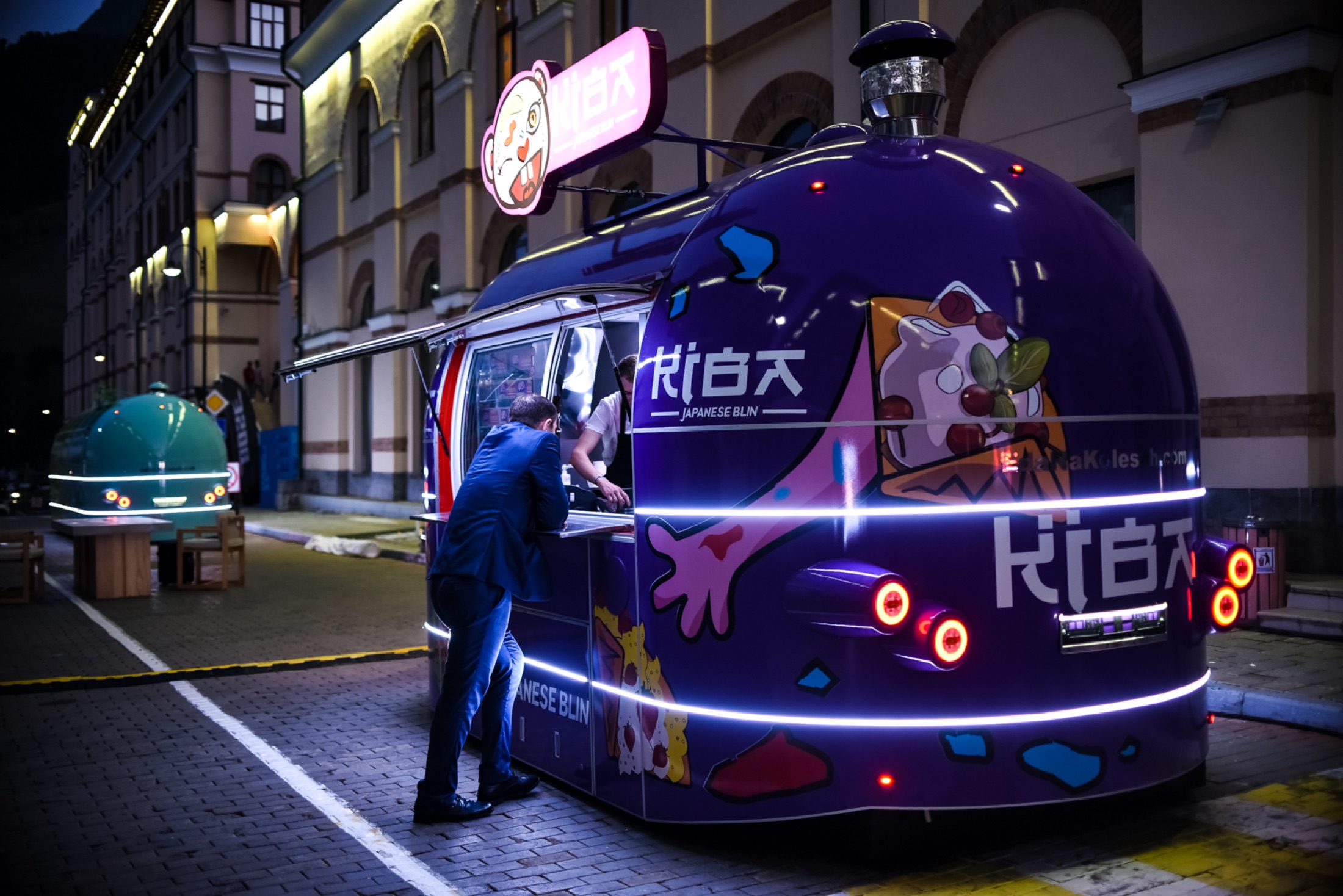 Builder handoff
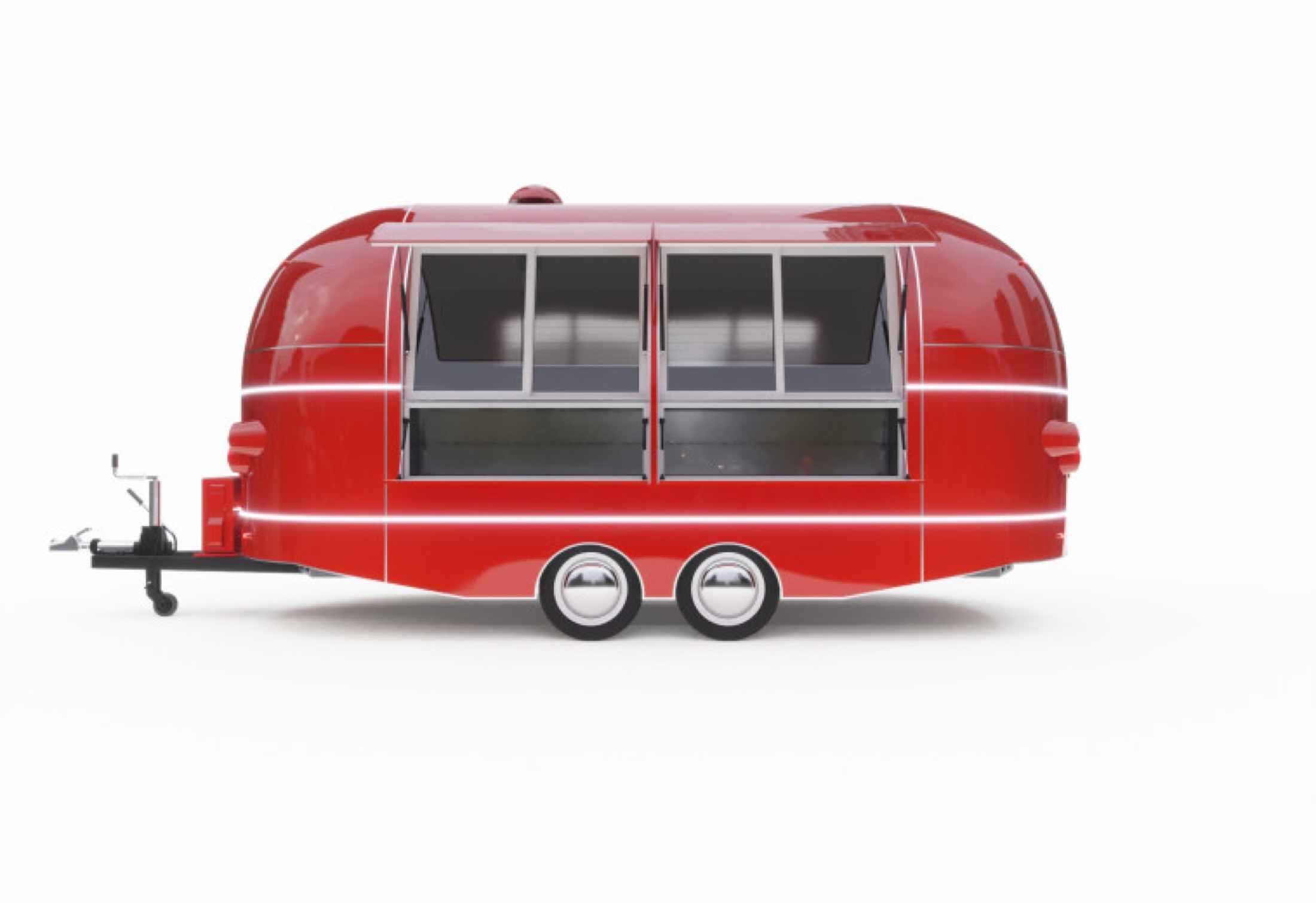 Vehicle coordination