
Capital-planning worksheet · Official-source review September 26, 2026
A custom food trailer price is the total of a defined delivery stage plus everything required to complete, deliver, approve and open that particular operation. MOBITRUCK does not currently publish a shell, builder-ready or turnkey price range because no current, owner-approved price-and-inclusion matrix is available for publication. Choose the delivery point, name the equipment models and operating jurisdiction, then collect a written value or status for every row below. A blank is not zero.
If the menu, operating city, equipment schedule or delivery level is still moving, do not ask a supplier to disguise those open decisions as a final turnkey number. Ask for a dated budget checkpoint with its assumptions, allowances, exclusions and next pricing milestone.
01Choose the delivery level before you ask the price
The word "food trailer" can describe three very different handoff points. Put one of them at the top of the budget. If two suppliers are not pricing the same delivery point, their totals do not answer the same question.
| Delivery point | What that stage means | Evidence to request | What may remain |
|---|---|---|---|
| Estonia-made MOBITRUCK shell kit | MOBITRUCK manufactures and prepares the approved shell components in Estonia. The proposal must identify the model, openings, finish, packing, interfaces and exclusions. | Approved project brief, current drawings and written shell-kit scope | U.S. rolling-shell assembly, vehicle-stage documents, final interior, equipment and operating approvals unless assigned elsewhere in writing |
| U.S. rolling shell | Under the current U.S. path, Concession Nation assembles the shell kit, assigns the American VIN and completes the applicable vehicle-certification work for its supplied stage. | Concession Nation proposal plus the actual unit's VIN, MCO or Certificate of Origin, certification label, axle record, weight record and written warranty package | Final interior, food-service equipment, technical systems and later authority work unless the proposal expressly includes them |
| Completed commercial unit | Concession Nation or another qualified builder completes the interior, equipment and assigned technical work under its own final-build contract. | Signed scope, approved drawings, model-specific equipment schedule, test and document schedule, acceptance rules and written warranty | Food-service licensing, site permission, business registrations, insurance and other owner obligations unless a signed agreement assigns them |
The actual proposal and delivered records control a project. The shell-kit, rolling-shell and turnkey guide explains the handoff choices in more detail.
02Price the operation, not the trailer length
Two trailers with similar outside dimensions can carry different costs because they solve different jobs. A coffee menu, a fryer line and a packaged-food counter do not ask for the same equipment, water, power, ventilation, fire-protection work or interior coordination.
Start with the Food Trailer Project Brief. Name the launch menu, busiest service period, staff, first operating city, site type and preferred delivery level. Then attach a model-specific equipment and utilities schedule.
If the equipment is still described only as "refrigerator, fryer and generator," the build is not ready for a final price. One model change can affect openings, support, weight, circuits, fuel demand, ventilation, service access and the drawings already released.
03Use this cost-bucket worksheet
Copy each row into the project budget. Enter the company responsible for the number, the source date and one status: included, allowance, excluded, buyer direct or TBD.
| Budget bucket | Put in the row | Evidence | Price owner | Amount / status |
|---|---|---|---|---|
| Operating brief and design | Menu, service target, staff, operating city, site assumptions, drawings, revisions and professional review | Current project brief and dated drawing register | Buyer and contracted design team | |
| MOBITRUCK shell kit | Platform, model, shell configuration, openings, exterior finish, project interfaces, checking, packing and agreed shipment scope | MOBITRUCK proposal and approved drawings | MOBITRUCK proposal | |
| U.S. rolling-shell stage | Assembly, project-specified running gear, applicable vehicle-stage work, VIN and certification documents, rolling-shell weight and handoff | Concession Nation proposal and unit-specific records | Concession Nation proposal | |
| Interior construction | Interior surfaces, floor, cabinetry, counters, equipment supports, storage, access panels and final-builder labor | Approved final-build drawings and written scope | Selected final builder | |
| Food-service equipment | Every appliance by manufacturer, model, quantity, accessories, freight, installation, commissioning and warranty source | Current equipment schedule, cut sheets and vendor quotes | Buyer, dealer or final builder as assigned | |
| Electrical and power | Distribution, connections, lighting, controls, shore power and any generator, battery or hybrid equipment in the contracted design | Load schedule, drawings, equipment data and qualified-party quote | Selected final builder and qualified electrical party | |
| Water and wastewater | Fixtures, tanks, pump, heater, treatment, drains, fill and discharge connections, installation and testing | Plumbing schedule, equipment data and qualified-party quote | Selected final builder and qualified plumbing party | |
| Ventilation, fire and fuel | Hood or exhaust work, makeup-air coordination, suppression, interlocks and any fuel system included in the project | Menu, appliance data, system drawings and responsible-party quote | Selected final builder and qualified project parties | |
| HVAC and thermal load | Cooling, heating, ventilation interaction, controls, installation and service access | Equipment schedule, operating assumptions and qualified-party selection | Selected final builder | |
| Documents, tests and inspection support | Document schedule, system tests, third-party work, correction responsibility and final handoff records | Contract deliverable list naming the issuing party and due stage | Each company for its contracted scope | |
| Graphics and customer interface | Exterior graphics, signs, menu boards, lighting and installation after openings and service states are approved | Approved elevations and separate vendor or builder quote | Buyer, graphics vendor or final builder as assigned | |
| Freight, delivery and receiving | International or domestic freight as applicable, insurance, destination, unloading, storage, pickup conditions and damage inspection | Dated freight quote and written delivery terms | Named seller, carrier and buyer | |
| Taxes, title, registration and government fees | Applicable transaction taxes, title and registration work, licenses, permits, plan review and inspection fees | Current state and local fee pages or written agency answers | Buyer unless the contract assigns a specific item | |
| Site and support-location work | Commissary or base arrangements, parking or event fees, utility connections, waste and grease service, storage and property requirements | Written site terms and current service-provider quotes | Buyer and site providers | |
| Opening business costs | Insurance, opening inventory, smallwares, point of sale, training, marketing, professional services and pre-opening payroll | Dated quotes or documented planning assumptions | Buyer | |
| Working capital and change exposure | Cash needed while the unit is being completed and during the opening period, plus unresolved changes that have not been priced | Month-by-month cash plan and an open-decision register | Buyer and financial adviser |
This worksheet deliberately includes costs outside the trailer contract. The SBA's startup-cost guidance separates one-time and recurring expenses so the capital plan does not stop at the purchase of the main asset.
04Make every status mean one thing
| Status | Meaning |
|---|---|
| Included | A named deliverable is inside the current written price. |
| Allowance | A provisional amount is included, with adjustment rules stated in writing. |
| Excluded | The supplier has stated that the item is outside its scope. |
| Buyer direct | The buyer will contract and pay another company or authority. |
| TBD | The decision or price is still open. It must not be entered as zero. |
An allowance is not the same as a fixed price. Ask what quantity or model the allowance assumes, who selects the final item, what markup or adjustment rule applies and when the number becomes fixed.
TBD is useful. Zero is not. A blank permit fee, unknown freight route or unselected hood should stay visible until the responsible party supplies evidence.
05Keep four totals instead of one early promise
- Contracted supplier total: the work currently included in signed proposals.
- Known outside-scope total: current quotes assigned to the buyer or another supplier.
- Opening and operating reserve: site, inventory, insurance, payroll and other cash required before the business supports itself.
- Unpriced decisions: every
TBD, missing authority answer and unresolved change. Do not bury this list inside the first three totals.
The first three can become a working capital requirement. The fourth tells you whether that number is mature enough for a deposit, lender conversation or final approval.
After the capital worksheet is complete, move the operating assumptions into the food trailer break-even calculator. A build budget and an operating forecast answer different questions; you need both.
06Carry the capital plan into the operating calculator
The cost register tells you how much cash the project may require and which numbers are still open. The break-even calculator tests whether the planned operation can support those capital assumptions. Do not paste one headline quote into the calculator and call the startup budget complete.
| Cost-register rows | Calculator field |
|---|---|
| MOBITRUCK shell kit and U.S. rolling-shell stage | Shell or trailer purchase/build |
| Interior construction, equipment and installed technical systems | Final build and equipment |
| Freight, delivery, receiving and physical site setup | Freight, tow and site setup |
| Plan review, permits, inspections and professional services | Permits and professional services |
| Opening inventory, smallwares, POS, graphics and launch work | Opening stock, POS and branding |
| Cash kept available for the opening period | Working-capital reserve |
Enter only the amounts supported by the current worksheet. Keep unresolved rows in the register as TBD, then run at least a conservative and a target operating case in the food trailer break-even calculator. The calculator does not convert an unfinished quote into a complete budget.
07Compare quotes only after the rows match
Do not begin by subtracting one headline total from another. First use the same project brief and the same budget rows for both proposals.
| Comparison point | Question to answer |
|---|---|
| Delivery point | Do both proposals stop at the same physical and documentary stage? |
| Project inputs | Are both suppliers using the same menu, city, site assumptions, drawings and equipment schedule? |
| Equipment | Do manufacturer, model, quantity, accessories, installation and warranty source match? |
| Technical systems | Are electrical, plumbing, ventilation, fire, fuel, HVAC and power-source scopes described at the same level? |
| Documents and tests | Does each quote name the records, tests, inspections and correction work it will supply? |
| Freight and acceptance | Do destination, unloading, damage inspection, storage and acceptance terms match? |
| Changes | Do both quotes explain design freezes, substitutions, authority-driven revisions and change-order approval? |
| Warranty | Does each responsible company state its covered work, exclusions, claim route and service location in writing? |
| Payment timing | Do deposits and progress payments fall in the same months, and what remains due before pickup or delivery? |
When a proposal uses broad language such as "commercial equipment," "code compliant" or "turnkey," replace it with models, drawings, responsible companies, records and acceptance criteria. The quote-comparison guide provides the full normalization table, while the scope-of-work worksheet turns the selected quote into named deliverables.
08Freeze expensive decisions in the right order
- Confirm the menu, process and intended operating jurisdiction.
- Select the delivery level and the company responsible for each later stage.
- Approve the manufacturer and model for equipment that affects openings, utilities, ventilation, weight or support.
- Coordinate current drawings and authority submissions before releasing irreversible work.
- Record each approved substitution and the cost, schedule, document and warranty effect.
The FDA plan-review guide recommends listing and locating equipment and diagramming electrical, mechanical and plumbing systems while changes can still be made on paper. That does not establish a national approval path. The responsible state and local authorities decide what the actual operation must submit and satisfy.
Use the food trailer permits guide to identify those authorities before a late answer changes the build.
09Keep the responsibility boundary visible
MOBITRUCK manufactures and prepares the shell kit at its production facility in Estonia. Under the current U.S. path, Concession Nation assembles the rolling shell, assigns the American VIN and completes the applicable vehicle-certification work for that supplied stage. Concession Nation or another qualified builder may then complete the final commercial application under a separate written scope.
A VIN-assigned rolling shell is not automatically a completed kitchen, and a completed kitchen is not automatically licensed to operate at every site. Match the physical unit to its records with the food trailer document-package checklist. Then keep food, fire, trade, business and site decisions with the authorities responsible for them.
Warranty belongs in the cost comparison too. Request the issuing company, covered work, start date, exclusions, claim route, service location and any modification limits in writing. This page cannot supply those unit-specific terms.
10Know what this page cannot price
The official sources below help organize startup expenses, plan-review inputs and federal vehicle-manufacturer records. They do not set a market price for a custom MOBITRUCK project. This page also cannot establish a final equipment package, freight charge, tax treatment, permit fee, financing term, approval outcome or warranty coverage for a unit that has not been specified.
Current written proposals, agency fee pages, equipment quotes, freight terms and unit-specific records have to supply those answers. Until they do, keep the row open.
Sources checked
Official planning and vehicle-reference sources
- U.S. Small Business Administration — Plan your businessChecked September 26, 2026 for startup-cost categories, one-time and recurring expense planning and break-even preparation.
- U.S. Food and Drug Administration — Food Establishment Plan Review GuideChecked September 26, 2026 for equipment, floor-plan and utility coordination before costly purchase and construction decisions. Applicable state and local requirements control.
- National Highway Traffic Safety Administration — Guidance DocumentsChecked September 26, 2026 for the current New Manufacturers Handbook route and federal vehicle-manufacturer framework.
- NHTSA — Product Information Catalog and Vehicle ListingChecked September 26, 2026 for manufacturer-reported VIN and Part 565 information. Those records do not price or license the food operation.
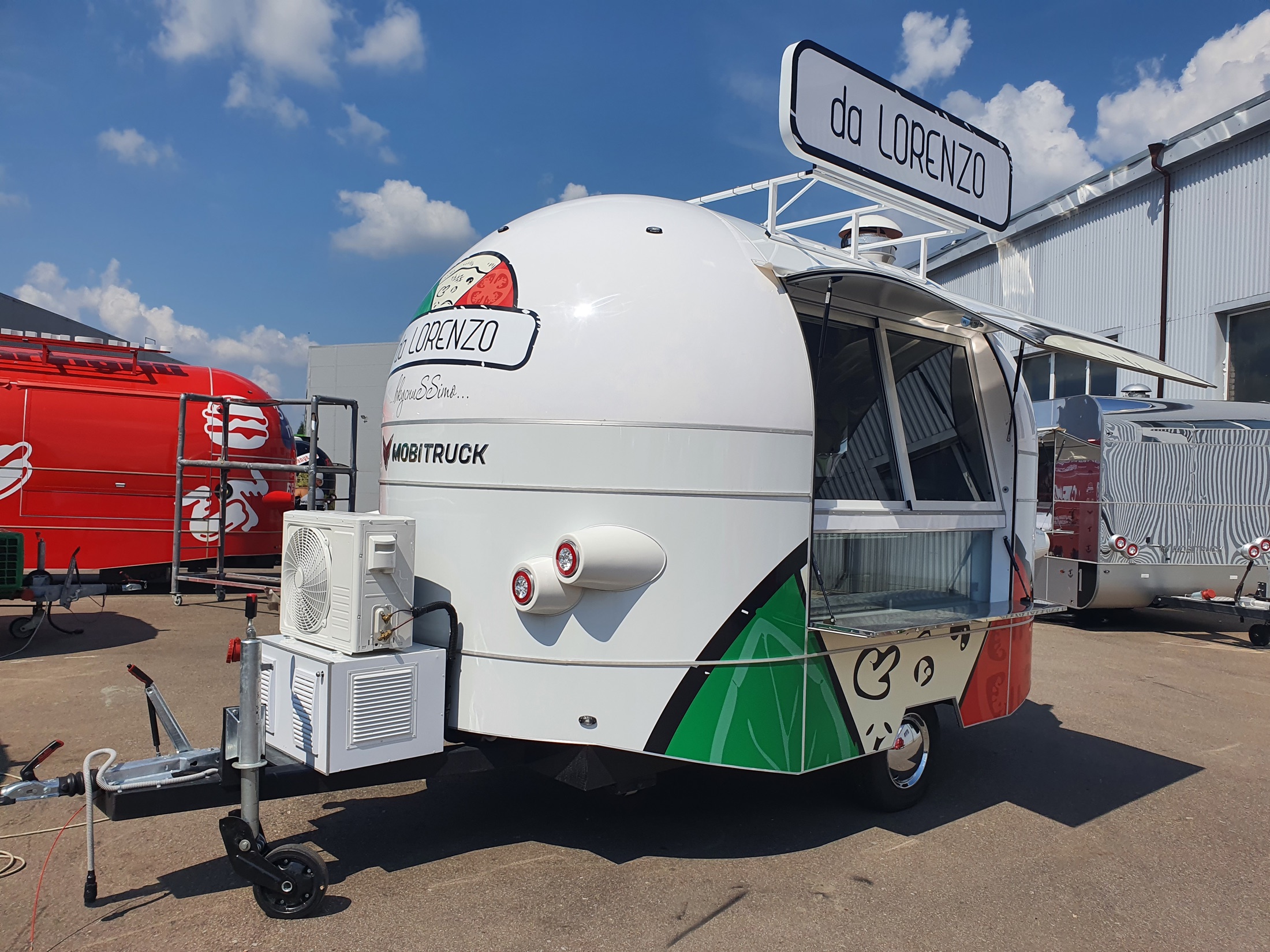 Quote normalization
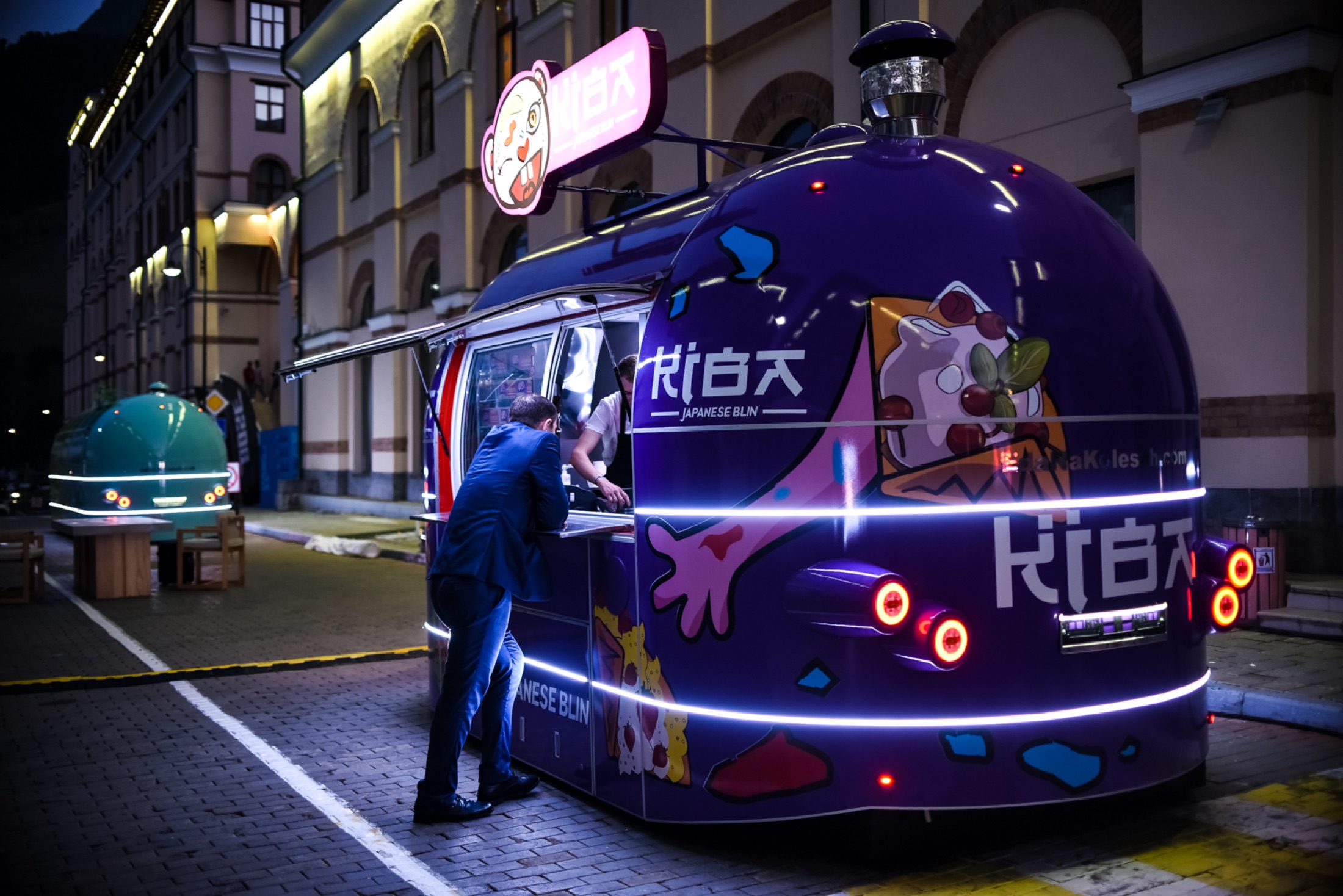 Operating economics